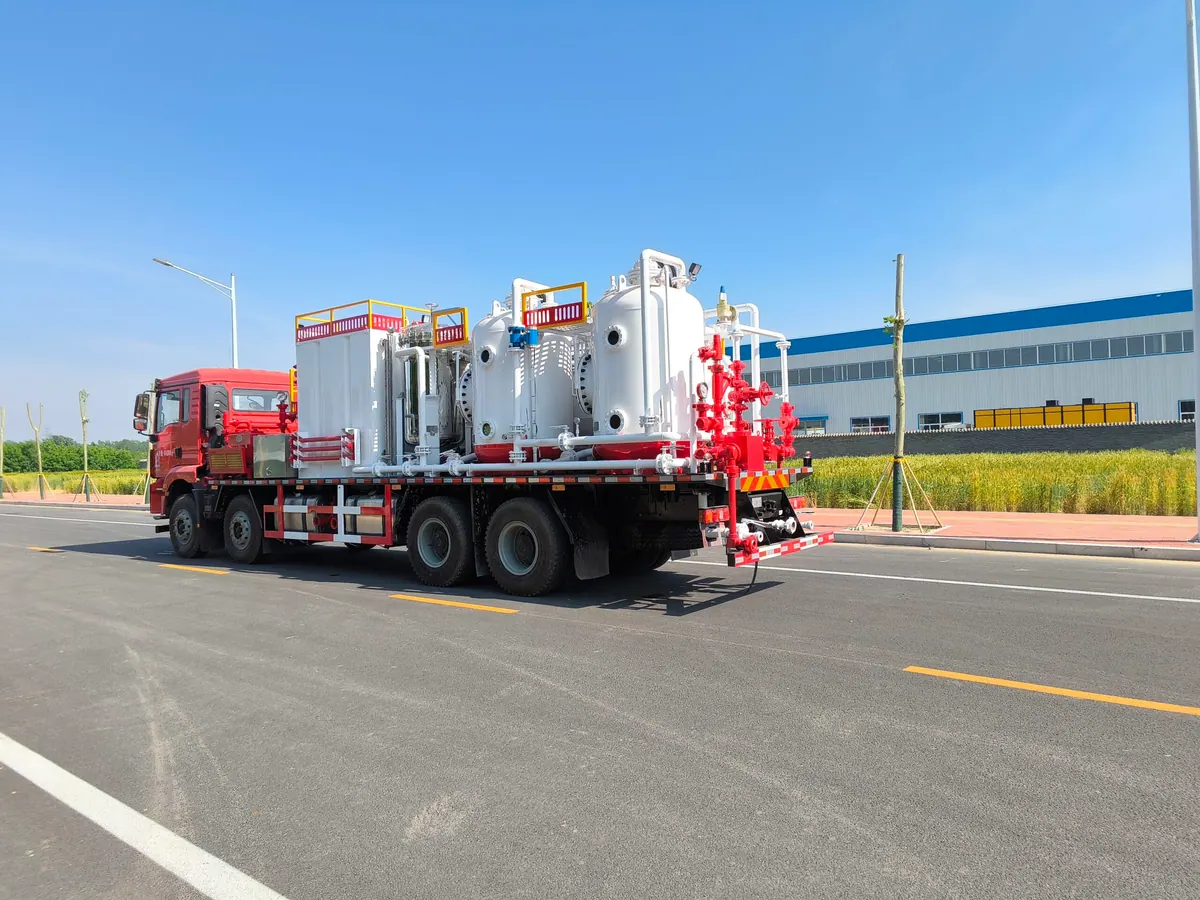
Define the manifold duty and supplied boundary
List the proposed function, fluid and operating cases relevant to the manifold and connected equipment. Ask the supplier to show its boundary on the arrangement drawing and identify purchaser-supplied mating items. Separate pump-discharge equipment from any return-side assembly. Do not assume that a familiar manifold shape or general high-pressure label establishes suitability for every connection or service associated with the sand-cleanout project.
Request an assembly-level equipment schedule
Ask for identification of the supplied assembly and service-relevant components, with the document references needed to trace the offered configuration. Distinguish proposed items from approved alternatives. The buyer needs enough detail to compare inclusions and later reconcile the delivered unit, not a catalogue bundle that can change without review. Identify who coordinates assembly documentation where several component manufacturers or subcontractors contribute to the supplied package.
Review connections and limits together
Request the actual connection information and relevant assembly limits for the accepted duty. Have responsible suppliers and project reviewers address mating equipment, materials and configuration-specific restrictions. A component rating does not automatically establish the installed system limit or compatibility of another connection. Keep uncertainties visible and avoid using procurement language to prescribe assembly, testing or field operating procedures outside the approved equipment and site arrangements.
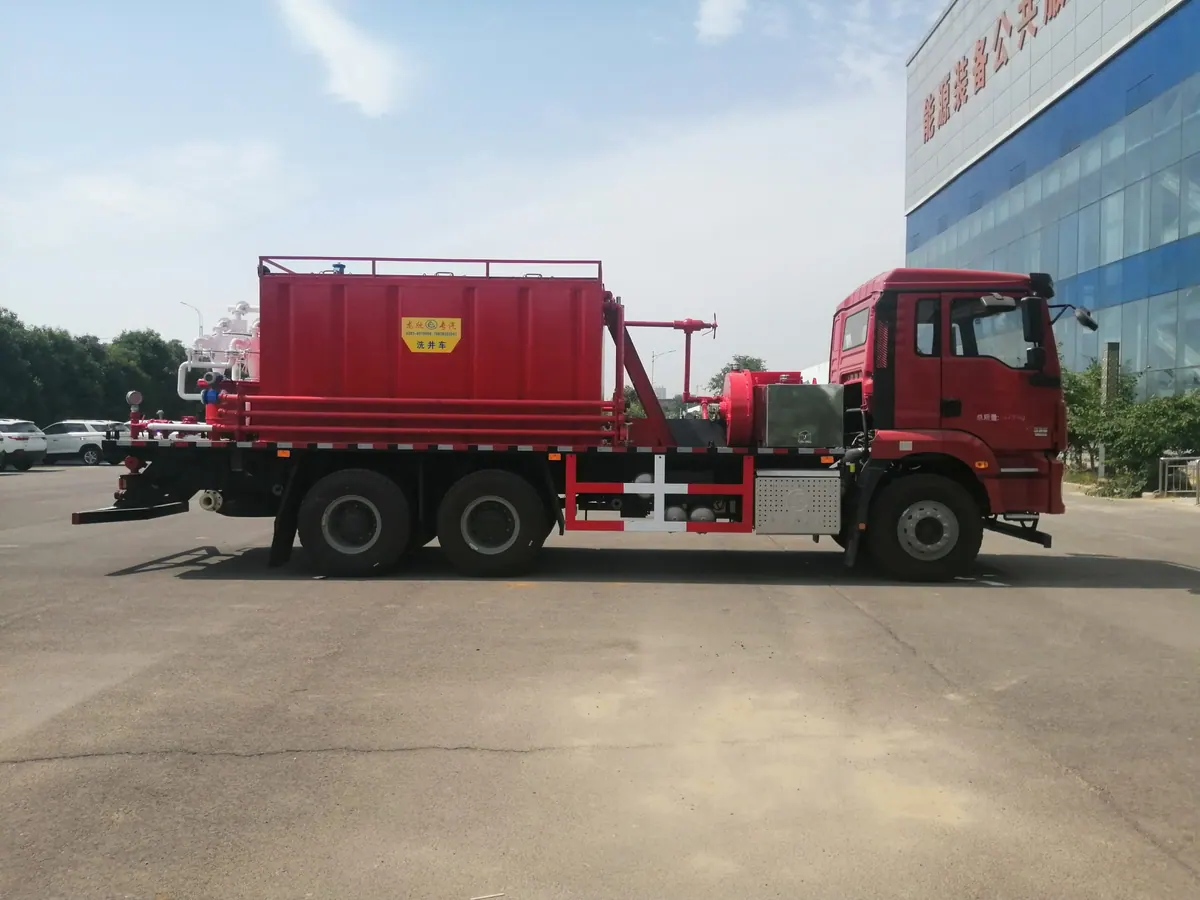
Specify the records included with supply
Agree applicable identification, inspection and verification documents for the offered assembly and project requirements. Ask what each record establishes and whether it refers to individual components or the completed arrangement. Do not assume a generic certificate proves compliance with every destination requirement. The final quotation should name the evidence and its boundary so the purchaser can evaluate it against actual needs rather than relying on an unspecified certification claim.
Control substitution and final handover
Require an impact response before accepting changes to material, components, connection type or configuration. Reconcile final identification and documents at inspection and delivery. Ask how replacements are identified and approved after handover. The purchase should leave an auditable equipment baseline, without implying that all assemblies sharing a nominal pressure label can be interchanged or that a successful test approves operation outside the accepted duty.
Make traceability useful for maintenance as well as inspection
Keep the accepted assembly drawing, component references and supplied verification records accessible with the unit documents. Identify which information is necessary when requesting replacement parts or reporting an issue. If the bidder uses subcontracted assemblies, clarify who retains and supplies the final records under the purchase agreement. Separate genuine installed-item evidence from illustrative catalogue documents. This makes the technical comparison and later support more reliable while avoiding an unsupported claim that a bundle of certificates alone proves every installed connection, material choice and external interface has been accepted for the actual wellsite arrangement.
Put these items side by side in the bid review
| Purchase item | Question to resolve | Evidence to request |
|---|---|---|
| Assembly | Can the supplied manifold be identified? | Controlled drawing and item list |
| Limits | What boundary does each rating describe? | Reviewed technical response |
| Records | Which evidence matches the delivered items? | Final document register |
Suggested wording for the quotation request
Provide an identified manifold and connection package for the accepted sand flushing duty. State the assembly boundary, supplied components, mating information, relevant limits and required purchaser inputs. Itemize the inspection and verification documents included with supply. Define substitution approval and final traceability records without treating a component rating or generic certificate as approval of the complete site arrangement.
Evaluate the complete sand-flushing arrangement against the approved cleanout duty. Confirm the pump and drive operating case, clean-fluid supply, connection boundaries and separate return-handling responsibilities. A maximum pressure, nominal tank size or reference photograph cannot establish the performance of the complete installed system. Keep the accepted equipment list, fluid assumptions, drawings and verification records with the purchase. Resolve missing well or site information with the responsible supplier and engineering teams. Setup, testing and operation require the approved equipment instructions and wellsite procedures.
For the wider equipment scope, consult the Oilfield Sand Flushing Unit: RFQ Checklist. Use the RFQ checklist to collect the supporting documents before requesting a configuration-specific quotation.
Buyer questions
Does a component pressure rating establish the whole manifold arrangement?
Not automatically. Review the complete supplied assembly and connected boundaries.
Can a nominally similar manifold be substituted without review?
Use the agreed technical approval process and update identification and affected documents.
Background and supplier contact
OSHA oil and gas extraction guidance offers related background, not certification of the equipment in a quotation. Applicability must be checked for the project and destination.
Explore the sand flushing unit, browse all technical resources, or visit Vance Petroleum for company information. Request a sand-flushing proposal with the geometry, solids, circulation duty and return-handling scope.