Define the flow path geometry
Obtain tubing, annulus and tool dimensions from the approved well program. The same pump rate produces different average velocities in different flow areas. Changes in geometry can create sections where solids transport becomes more difficult. The well-service engineer should assess the actual completion and cleanout method rather than selecting a rate from a generic depth table.
Include particle and fluid behavior
Particle size, density, loading, fluid properties and well inclination influence transport. A simple average-velocity calculation does not capture every settling or bed behavior. Use it only within the engineering method approved for the job. Record the uncertainty in estimated sand quantity and provide a monitoring plan for actual returned solids.
Check the surface system at the same rate
The required circulation rate must also fit the pump envelope, pressure losses and return handling capacity. Increasing flow to improve transport can exceed another boundary. Confirm how separated sand and liquid are measured and contained. The operating program should define its own response to abnormal pressure or returns, with clear stopping authority.
Evidence to collect for this decision
| Condition | Review action | Useful evidence |
|---|---|---|
| Changing annulus area | Calculate local flow conditions | Approved completion geometry |
| Heavy solids loading | Review transport assumptions | Particle and fluid data |
| Higher proposed rate | Check entire circulation loop | Pressure and return-capacity assessment |
Keep these observations with the equipment reference and operating conditions. When comparing proposals or service findings, check that each record describes the same configuration and duty. Resolve missing inputs with the responsible engineer before treating an estimate as an accepted operating limit.
Check the pump and connected system at the same duty
A pressure-pumping review should distinguish the process requirement from the limits of the installed equipment. The pump, driver, suction arrangement, discharge connections and receiving system must support the same operating case. Record fluid density, viscosity, temperature and solids where they influence the calculation. If a supplier curve assumes clean water, ask how the actual service changes the conclusion before accepting the proposed duty.
Compare a normal case with the most demanding credible case and any sustained low-rate operation. Identify which limit governs each result, rather than adding a general margin without explaining its purpose. Calculations and inspection findings should refer to the equipment configuration being supplied. Where an adjustment is needed, have the responsible engineer review the change and the manufacturer confirm the affected equipment limits. Field observations support that review; they do not authorize operation beyond a documented rating.
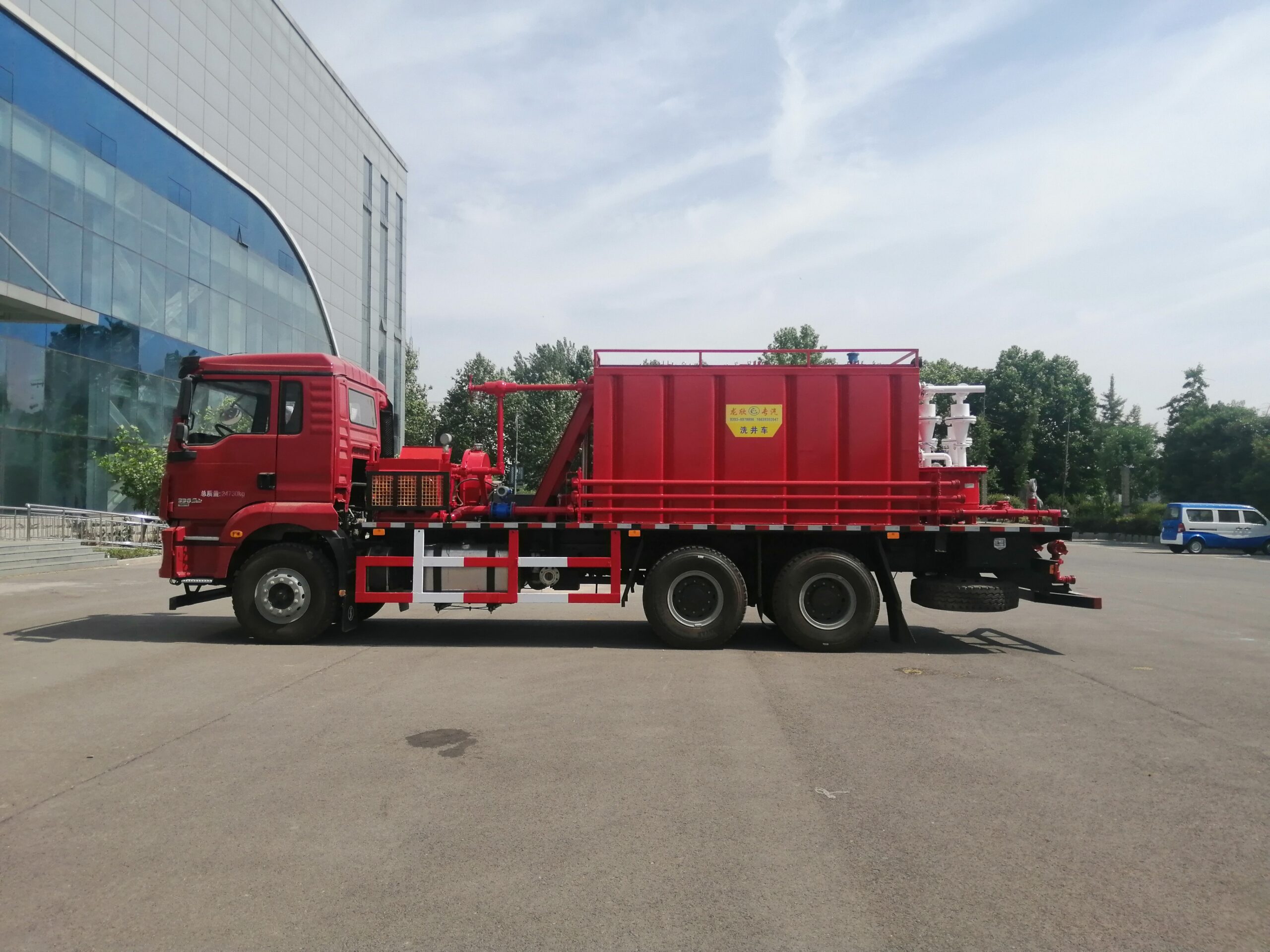
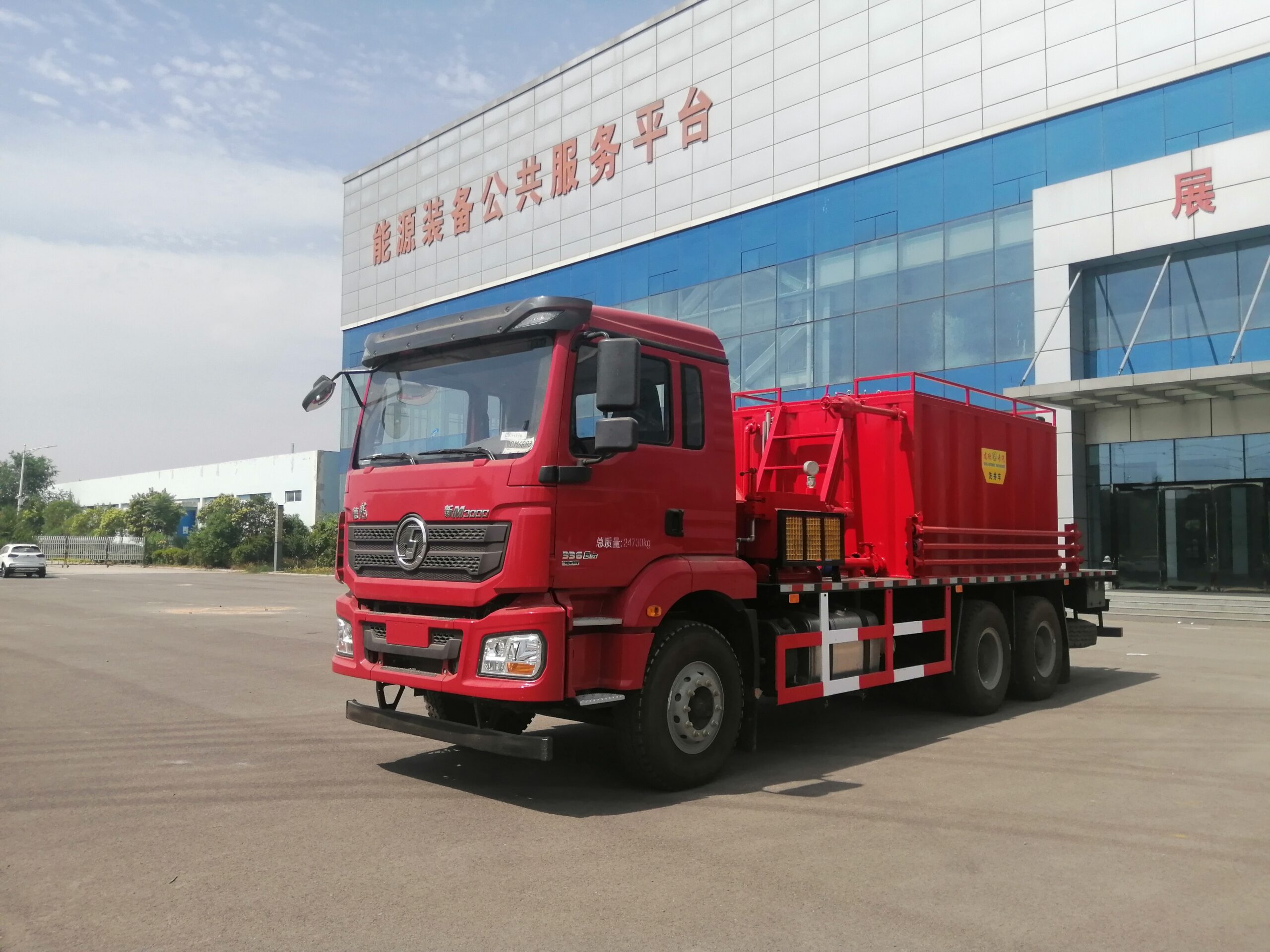
Apply the review to the offered oilfield sand flushing unit
The well-service program determines the transport requirement and allowable circulation conditions. Keep the actual return geometry, particle properties and surface solids-handling arrangement in the same review. Pump capacity is useful only when the entire circulation and collection route can support it.
- Estimated sand volume: record the project range and identify whether the value is measured, calculated or still provisional.
- Well depth and tubing size: state the accepted limit and the equipment or process boundary to which it applies.
- Minimum lifting velocity: include variation through the job instead of relying only on the normal operating value.
- Available return handling: identify the responsible supplier or site team and the evidence needed before acceptance.
- Maximum allowable pressure: review the case that governs this requirement and retain its basis with the equipment records.
The complete package is intended for circulating fluid to lift settled sand, proppant and debris from producing or injection wells. Confirm the scope of the high-rate flushing pump, solids-tolerant return system, fluid tank and filtration, wellhead hose and manifold set against the selected duty. Use the specifications and sizing guide for the broader equipment requirements and the RFQ checklist to organize the supporting documents.
Questions about this equipment decision
Is there one sand-cleanout velocity suitable for every well?
No. Geometry, inclination, particle properties and fluid behavior require a well-specific engineering assessment.
What information helps review this oilfield sand flushing unit requirement?
Provide approved completion geometry; particle and fluid data; pressure and return-capacity assessment, together with the installed equipment identification and the proposed operating conditions.
References and project support
Oil and gas extraction safety resources provides additional background. For the equipment range and company information, visit Vance Petroleum. Share the relevant duty and records when requesting a project-specific review.