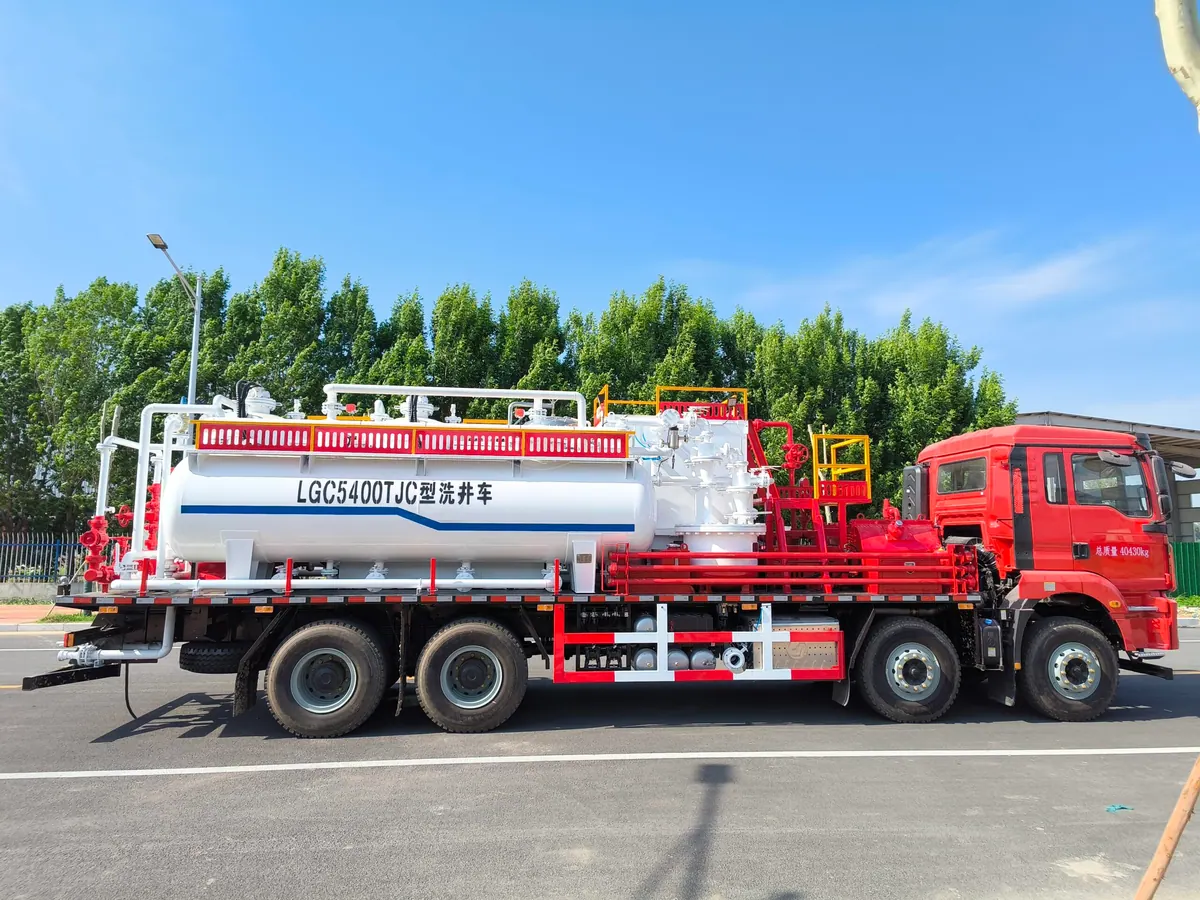
Describe the proposed intervention arrangement
Provide the accepted well geometry and the intended cleanout method through the responsible well-service team. Identify the tools, work string or other equipment proposed for the assignment. Distinguish the truck pumping contribution from the intervention equipment needed to reach and work in the target interval. Do not accept a broad horizontal-well label as proof that the offered vehicle includes every required component or supports an undefined intervention method.
Request the transport assessment as an input
The well-service engineer should establish the relevant fluid and solids-transport basis for the actual geometry and method. Ask which pumping cases the equipment supplier must address and which uncertainties remain. An average velocity or a pressure headline cannot by itself establish effective transport in every inclined section. Keep the calculation and operating program with responsible engineering reviewers rather than deriving a field pumping recipe from a purchasing comparison.
Define the coiled-tubing or work-string boundary
Where another spread is involved, identify its supplier and the reviewed power, fluid, connection and control interfaces. Ask who supplies mating equipment and approves compatibility. The flushing truck may provide a suitable pumping duty without supplying coiled tubing, deployment equipment or well-control services. Make those exclusions visible before comparing prices, because an apparently complete cleanout offer may otherwise refer only to the truck-mounted pumping portion.
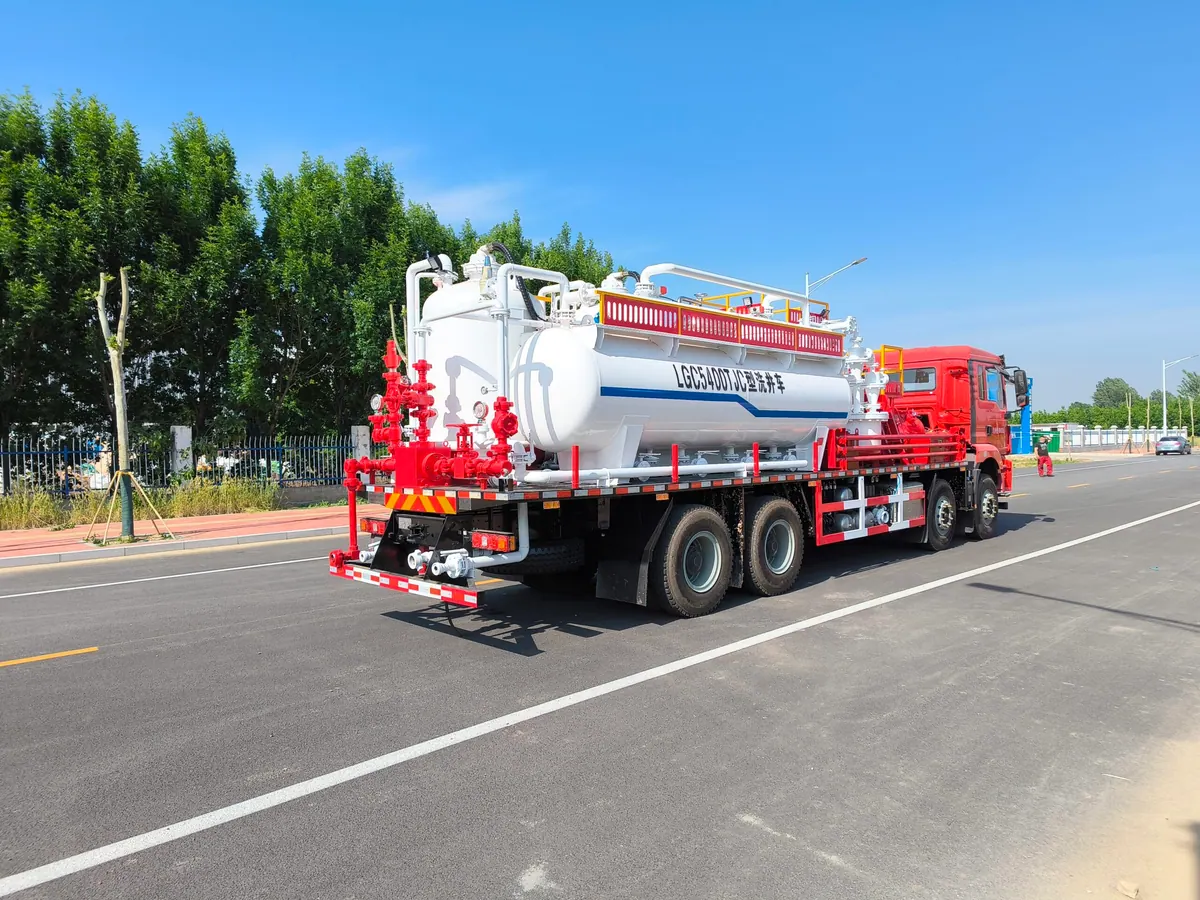
Check the surface route against the same cases
Request confirmation of the clean-fluid supply, installed pump and drive, discharge assemblies and return-receiving arrangement for the approved cases. Include the capacity and availability of separately supplied handling equipment. Do not increase the proposed rate solely to address a downhole concern without another review of the connected system. Every part of the arrangement must be evaluated at the selected duty and within its documented limits.
Separate selection approval from operational acceptance
The quotation should identify the reviewed well and equipment configuration, assumptions, verification records and site checks still required. Ask how changes in tools, fluid or target interval affect the accepted selection. A factory demonstration establishes only the conditions actually tested. It does not approve all inclined-well assignments or replace the operator procedures and competent well-service oversight for the final connected arrangement.
Compare alternative methods without hiding different scope
If bidders propose different intervention arrangements, request a separate equipment and responsibility schedule for each. Identify the transport basis, required surface support and acceptance evidence associated with that option. Do not compare a truck-only quotation with a full intervention spread as though both provide the same service. Keep unconfirmed tool compatibility and external equipment availability visible in the commercial evaluation. The buyer needs a coherent and reviewable assignment package, not a generic claim that high pressure or a particular chassis makes the unit automatically suitable for every horizontal or extended-reach cleanout application.
Put these items side by side in the bid review
| Purchase item | Question to resolve | Evidence to request |
|---|---|---|
| Method | What intervention arrangement is proposed? | Approved job basis |
| Tools | Which equipment is external to the truck? | Supplier and interface schedule |
| Transport | Which pumping cases were accepted? | Well-specific engineering assessment |
Suggested wording for the quotation request
Review the sand flushing unit for the attached inclined-well cleanout arrangement. Identify the accepted pumping cases, intervention-equipment boundary and mating interfaces. State assumptions, required external services and verification limitations. Separate truck supply from coiled-tubing, work-string and well-control scope, and specify the information required before accepting another tool or target interval.
Evaluate the complete sand-flushing arrangement against the approved cleanout duty. Confirm the pump and drive operating case, clean-fluid supply, connection boundaries and separate return-handling responsibilities. A maximum pressure, nominal tank size or reference photograph cannot establish the performance of the complete installed system. Keep the accepted equipment list, fluid assumptions, drawings and verification records with the purchase. Resolve missing well or site information with the responsible supplier and engineering teams. Setup, testing and operation require the approved equipment instructions and wellsite procedures.
For the wider equipment scope, consult the Sand Flushing Units: Circulation Velocity and Lift. Use the RFQ checklist to collect the supporting documents before requesting a configuration-specific quotation.
Buyer questions
Does a high-pressure truck guarantee horizontal-well cleanout?
No. The method, tools, transport assessment and full surface arrangement require review for the actual well.
Is coiled tubing included in the flushing truck price?
Only an explicit equipment and service schedule can establish that scope.
Background and supplier contact
SLB circulation terminology background offers related background, not certification of the equipment in a quotation. Applicability must be checked for the project and destination.
Explore the sand flushing unit, browse all technical resources, or visit Vance Petroleum for company information. Request a sand-flushing proposal with the geometry, solids, circulation duty and return-handling scope.