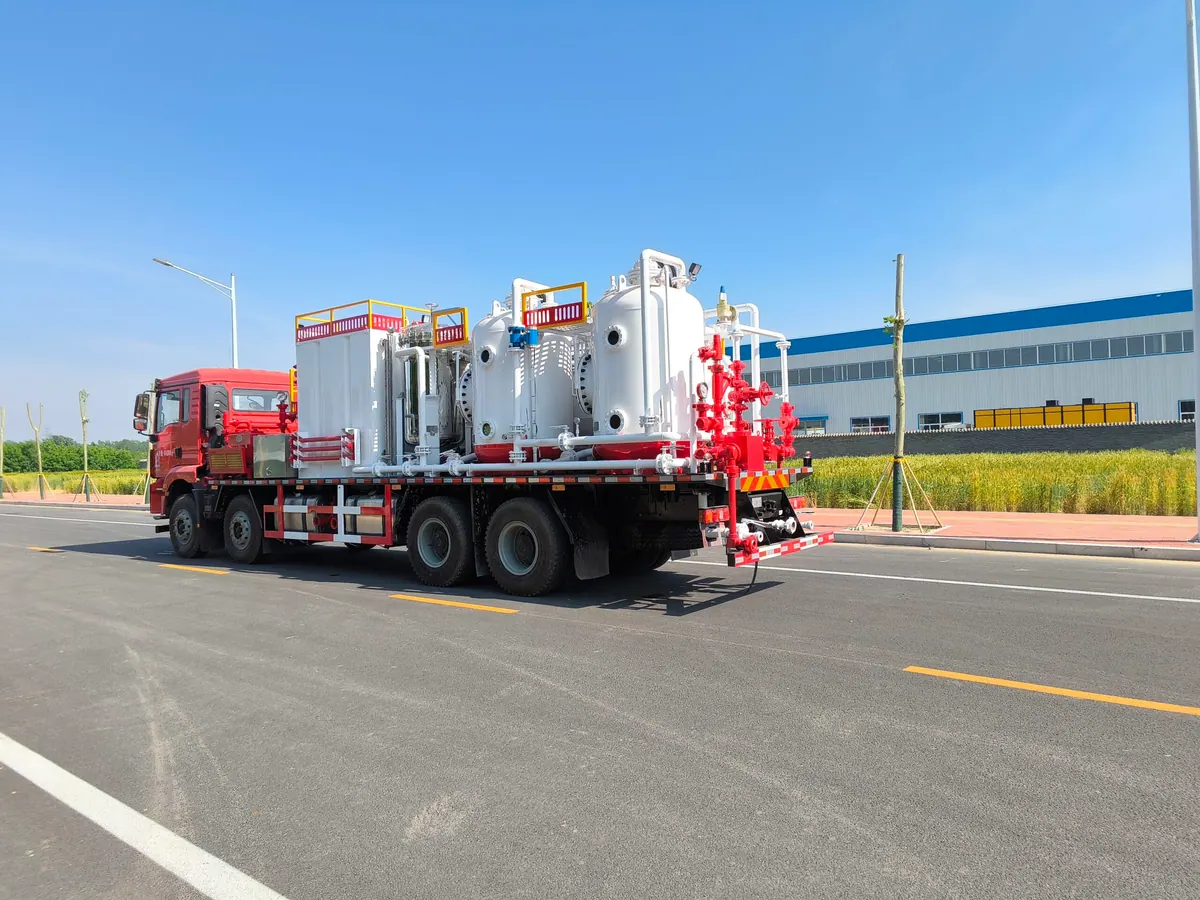
Issue one accepted cleanout requirement
Give each bidder the same well information, intended method, fluid and solids basis, working cases and relevant constraints. Identify mandatory equipment and purchaser preferences separately. Ask for assumptions where information remains provisional. Do not compare proposals prepared around different wells or unsupported maxima as if they supplied equivalent capability. The procurement baseline should identify the sand flushing unit role and the external services needed by the complete project arrangement.
Itemize what is actually included
Request the installed pump and drive, supply arrangement, controls, connections and optional accessories by function and identification. List return tanks, solids handling, intervention equipment and treatment services separately where relevant. A complete unit label is not a substitute for the equipment schedule. Ask each bidder to mark included, optional, excluded or purchaser-supplied items so essential dependencies do not disappear into general commercial descriptions.
Review technical deviations before pricing adjustments
Require a specific response when a bidder offers another pump configuration, different interface or limited duty coverage. Ask for the affected drawings, performance basis and external equipment consequences. A cost allowance cannot establish technical suitability by itself. Keep missing information separate from an accepted alternative and assign review responsibility. The final commercial comparison should use aligned scope or clearly state why the proposals remain technically different.
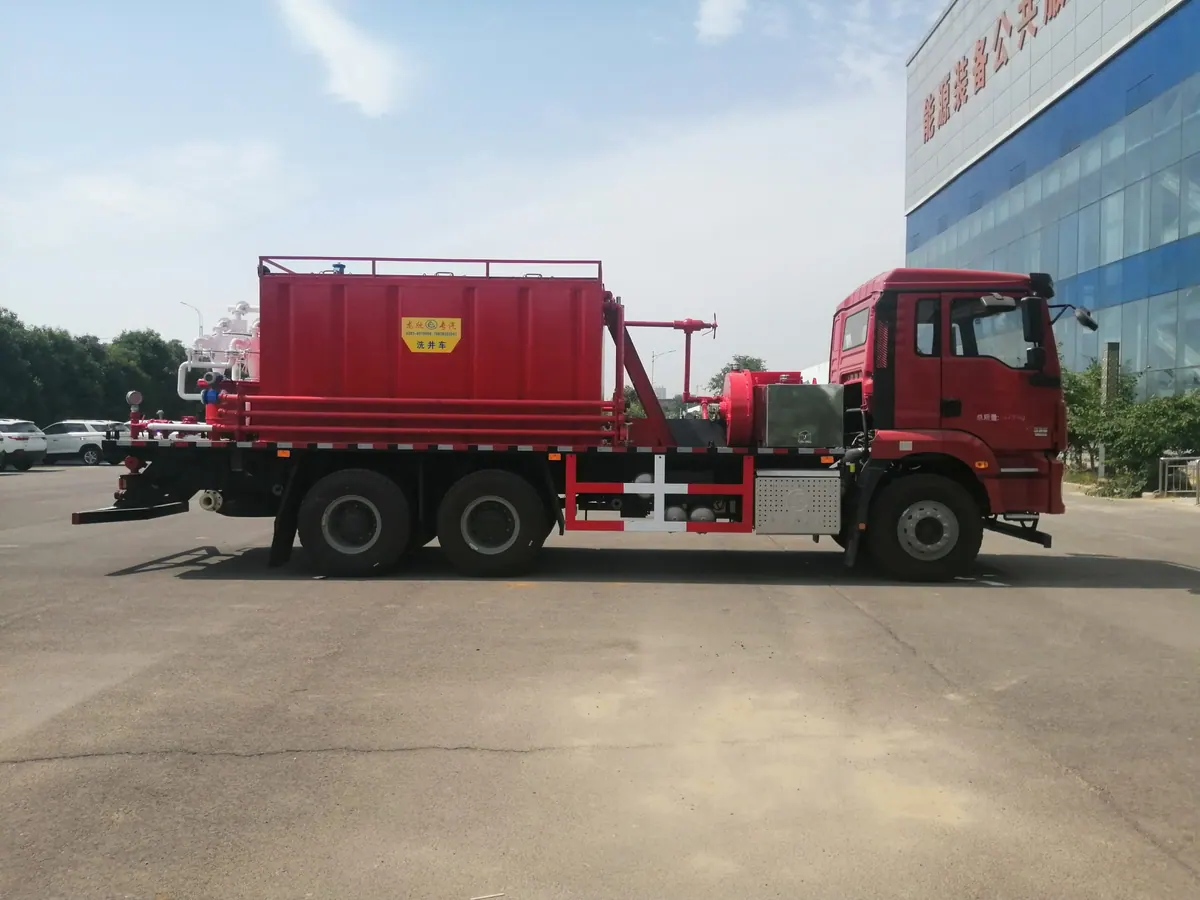
Compare evidence and handover as deliverables
Identify the inspection, verification, operating documents and support attendance included with each offer. Distinguish component records from assembled-equipment tests and separate factory completion from site acceptance. An attractive base price may omit required evidence or purchaser resources that materially affect readiness. Do not assume fixed delivery, service or warranty commitments from a website statement; retain the actual quoted terms and relevant clarifications for review.
Carry the clarified baseline into the order
Attach the accepted equipment list, drawing revisions, duty cases and documented qualifications to the purchase record. Keep unconfirmed options separate from ordered equipment. Ask how later substitutions and changed well data are reviewed for technical and commercial effects. The objective is a comparable and traceable purchase, not a promise that every truck carrying the same product name provides identical functions, complete cleanout services or a guaranteed well outcome.
Use the responsibility schedule to expose omitted costs
For every essential project function, name the supplier or purchaser party responsible and identify whether the necessary equipment, personnel and documents are actually available. Keep estimated site costs distinct from firm quoted supply. Where delivery terms are used, review the precise contract and named destination with the responsible commercial team instead of assuming a generic allocation of every project duty. Retain accepted clarifications with the order. This gives the buyer a defensible comparison while avoiding invented market prices, universal landed-cost formulas or an unsupported claim that the lowest equipment quotation necessarily provides the lowest evaluated cost for the defined cleanout assignment.
Put these items side by side in the bid review
| Purchase item | Question to resolve | Evidence to request |
|---|---|---|
| Baseline | Did all bidders use the same cases? | Controlled requirement schedule |
| Scope | What is included or external? | Equipment and responsibility matrix |
| Award | Which deviations and records are accepted? | Clarified order baseline |
Suggested wording for the quotation request
Return a complete sand flushing unit tender against the attached accepted duty and interface basis. Identify supplied equipment, options, purchaser services, technical deviations and verification deliverables. Separate factory, delivery and site handover obligations and state actual commercial terms. Provide revised documents for accepted clarifications rather than relying on a generic compliance or complete-package statement.
Evaluate the complete sand-flushing arrangement against the approved cleanout duty. Confirm the pump and drive operating case, clean-fluid supply, connection boundaries and separate return-handling responsibilities. A maximum pressure, nominal tank size or reference photograph cannot establish the performance of the complete installed system. Keep the accepted equipment list, fluid assumptions, drawings and verification records with the purchase. Resolve missing well or site information with the responsible supplier and engineering teams. Setup, testing and operation require the approved equipment instructions and wellsite procedures.
For the wider equipment scope, consult the Oilfield Sand Flushing Unit Manufacturer Guide. Use the RFQ checklist to collect the supporting documents before requesting a configuration-specific quotation.
Buyer questions
Can two sand flushing units be compared by pressure rating alone?
No. Align duty, complete supplied scope, interfaces, evidence and external responsibilities.
Does a complete-package label include all site services?
Only the accepted equipment and responsibility schedules establish what is actually included.
Background and supplier contact
ICC Incoterms® resources offers related background, not certification of the equipment in a quotation. Applicability must be checked for the project and destination.
Explore the sand flushing unit, browse all technical resources, or visit Vance Petroleum for company information. Request a sand-flushing proposal with the geometry, solids, circulation duty and return-handling scope.