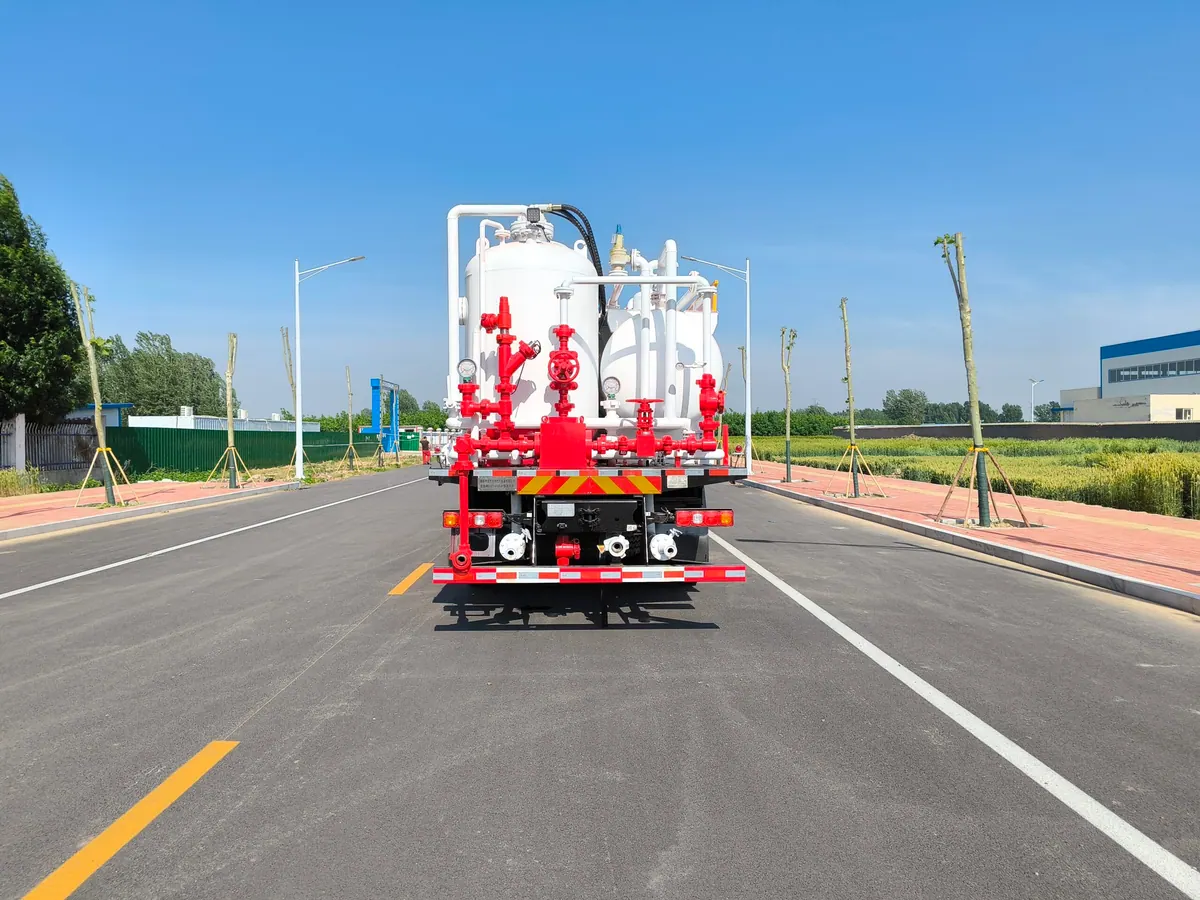
Group assignments by reviewed requirements
Prepare a well register showing the accepted methods, relevant fluids, connections and expected work conditions. Ask the responsible project team which installations can share a common configuration and which need separate review. Do not assume equivalent suitability because the wells belong to the same field. The supplier should identify the range of assignments addressed by its offer and keep unconfirmed future wells outside the accepted duty list.
Identify fluid-transition responsibilities
Ask the supplier which documents and approved provisions apply when changing between the intended services. Include purchaser assessment and any external cleaning or waste services in the responsibility schedule. Do not prescribe a universal flushing medium or cleaning sequence. Compatibility of a previous fluid, cleaning material and next assignment must be addressed through the relevant equipment instructions and project requirements rather than an informal assumption that every changeover is equivalent.
Specify accessories for the accepted variants
Request identified connection and accessory sets matched to the reviewed well arrangements. Ask what is carried on the truck, stored separately or provided at each site. A larger nominal kit does not establish compatibility of every installation. Keep component identification and approved drawings together so the purchaser can compare complete usable scope rather than a collection of fittings whose purpose and accepted service have not been defined.
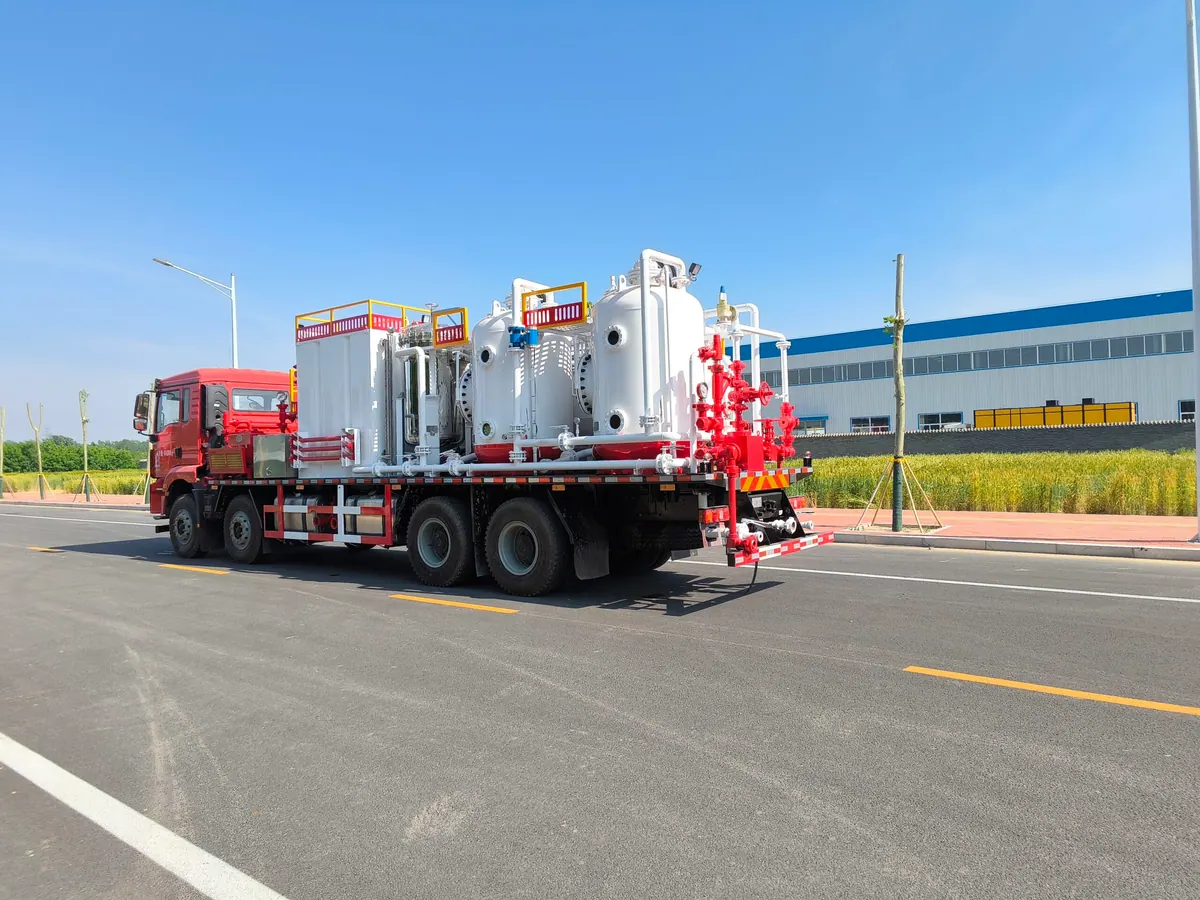
Plan readiness records and support resources
Identify inspections, document checks and qualified attendance required by the accepted equipment and site arrangements. Separate these requirements from physical travel and normal vehicle support. Ask which purchaser resources are needed and how the quotation treats additional attendance or changed assignments. Do not promise a fixed changeover duration before the actual configuration, condition and site dependencies have been reviewed for the campaign.
Control additions and changed well conditions
Agree a review route for another well, altered fluid or different connection. Request an impact response identifying affected equipment, instructions and acceptance duties. Keep approved changes in the final campaign and unit records rather than relying on operator recollection. A repeatable multiwell package should support known assignments through controlled information; it should not be interpreted as unrestricted approval for every future cleanout task reached by the same vehicle.
Compare campaign readiness rather than only travel speed
Ask bidders to distinguish movement, site preparation, connection review, required cleaning and final readiness for the next assignment. Identify which activities depend on external equipment or purchaser personnel and whether those resources are confirmed. Keep uncertain timings as planning inputs rather than supplier guarantees. Retain the approved well variants and relevant fluid-transition documents with the unit. This makes the procurement comparison useful to an actual field campaign while avoiding invented jobs-per-day claims or an assumption that mobile equipment automatically removes the inspection, compatibility and site-acceptance work required between different wells.
Put these items side by side in the bid review
| Purchase item | Question to resolve | Evidence to request |
|---|---|---|
| Assignments | Which variants were actually reviewed? | Accepted well and duty register |
| Transition | Who provides cleaning and assessment? | Responsibility and document schedule |
| Change | How is another well approved? | Controlled campaign update |
Suggested wording for the quotation request
Propose the multiwell support scope for the sand flushing unit against the attached accepted well variants. Identify required accessories, fluid-transition documents, external cleaning services and purchaser resources. Separate travel from configuration and site readiness. Define the review process for changed fluids or interfaces without assuming a universal changeover procedure or guaranteed number of jobs per day.
Evaluate the complete sand-flushing arrangement against the approved cleanout duty. Confirm the pump and drive operating case, clean-fluid supply, connection boundaries and separate return-handling responsibilities. A maximum pressure, nominal tank size or reference photograph cannot establish the performance of the complete installed system. Keep the accepted equipment list, fluid assumptions, drawings and verification records with the purchase. Resolve missing well or site information with the responsible supplier and engineering teams. Setup, testing and operation require the approved equipment instructions and wellsite procedures.
For the wider equipment scope, consult the Oilfield Sand Flushing Unit: Operator Inspection. Use the RFQ checklist to collect the supporting documents before requesting a configuration-specific quotation.
Buyer questions
Does road mobility make the unit ready for every next well?
No. Confirm the next duty, fluid, interfaces and applicable readiness requirements.
Can one generic cleaning routine cover all fluid changes?
Use the relevant supplier instructions and project compatibility assessment for the actual transition.
Background and supplier contact
OSHA oil and gas extraction guidance offers related background, not certification of the equipment in a quotation. Applicability must be checked for the project and destination.
Explore the sand flushing unit, browse all technical resources, or visit Vance Petroleum for company information. Request a sand-flushing proposal with the geometry, solids, circulation duty and return-handling scope.