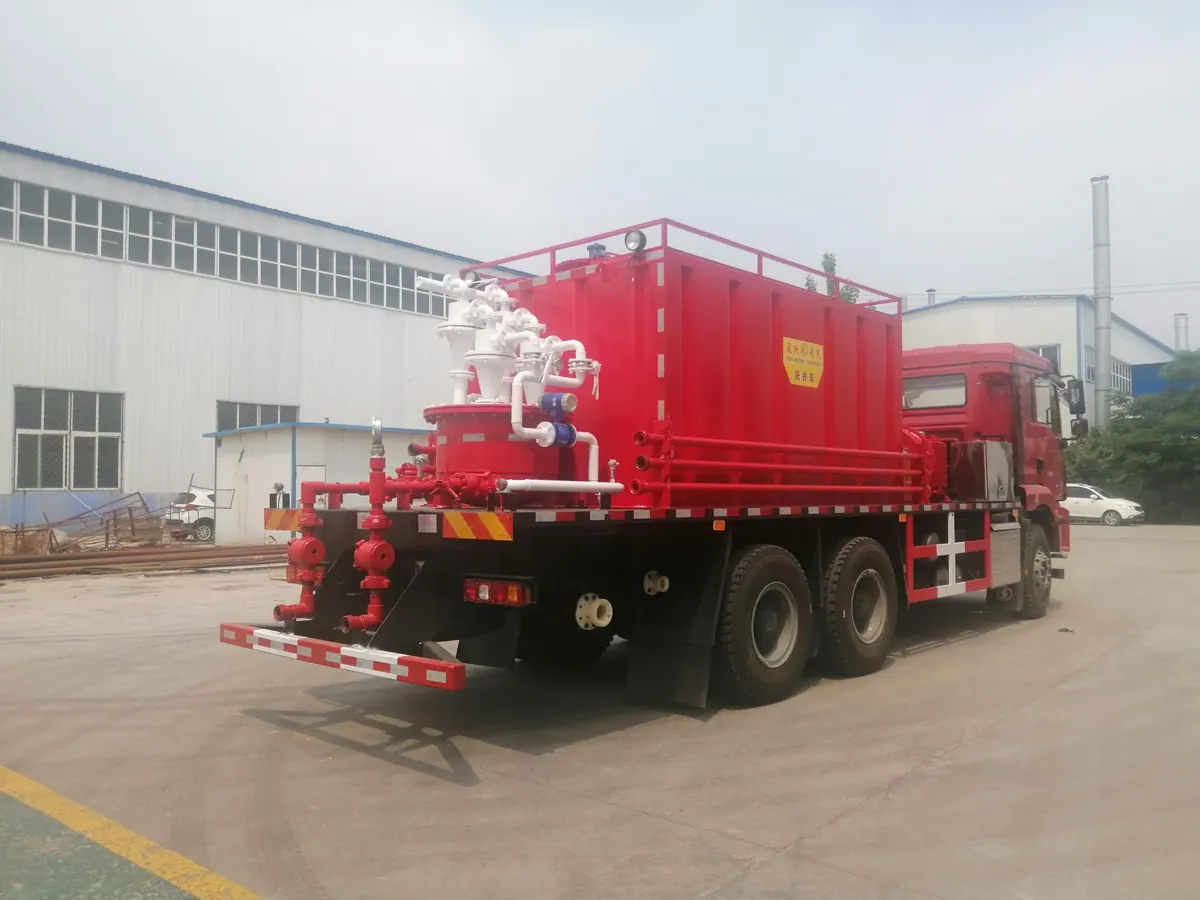
Identify the filtration function in the arrangement
Request a drawing that shows the proposed filter location, fluid source and protected equipment. Distinguish clean-fluid conditioning from treatment of returns and identify whether filtration is supplied with the truck or by another party. Do not assume every visible filter serves the same purpose. The purchase should establish the actual function and equipment boundary before comparing nominal flow ratings or requesting additional instrumentation for an undefined component.
Describe the information operators need
Ask the responsible project and equipment teams which indications are required to assess the supplied filter arrangement. Identify each measurement purpose and whether it is local, displayed elsewhere or recorded. Do not prescribe a universal differential-pressure threshold or service response from a tender checklist. The relevant supplier must establish approved limits and instructions for the selected assembly, fluid and operating cases, with responsibility for any external interface kept explicit.
Request instrument identification and selection evidence
Have the bidder identify supplied indicators, sensors, connections and related documents. Ask how the proposed range and installation support the intended information and operating conditions. A digital display does not establish the underlying measurement quality or cover instruments not included in the equipment list. Keep sensor data, assembled installation and any calculation or alarm function distinct so each claim can be traced to the proper evidence.
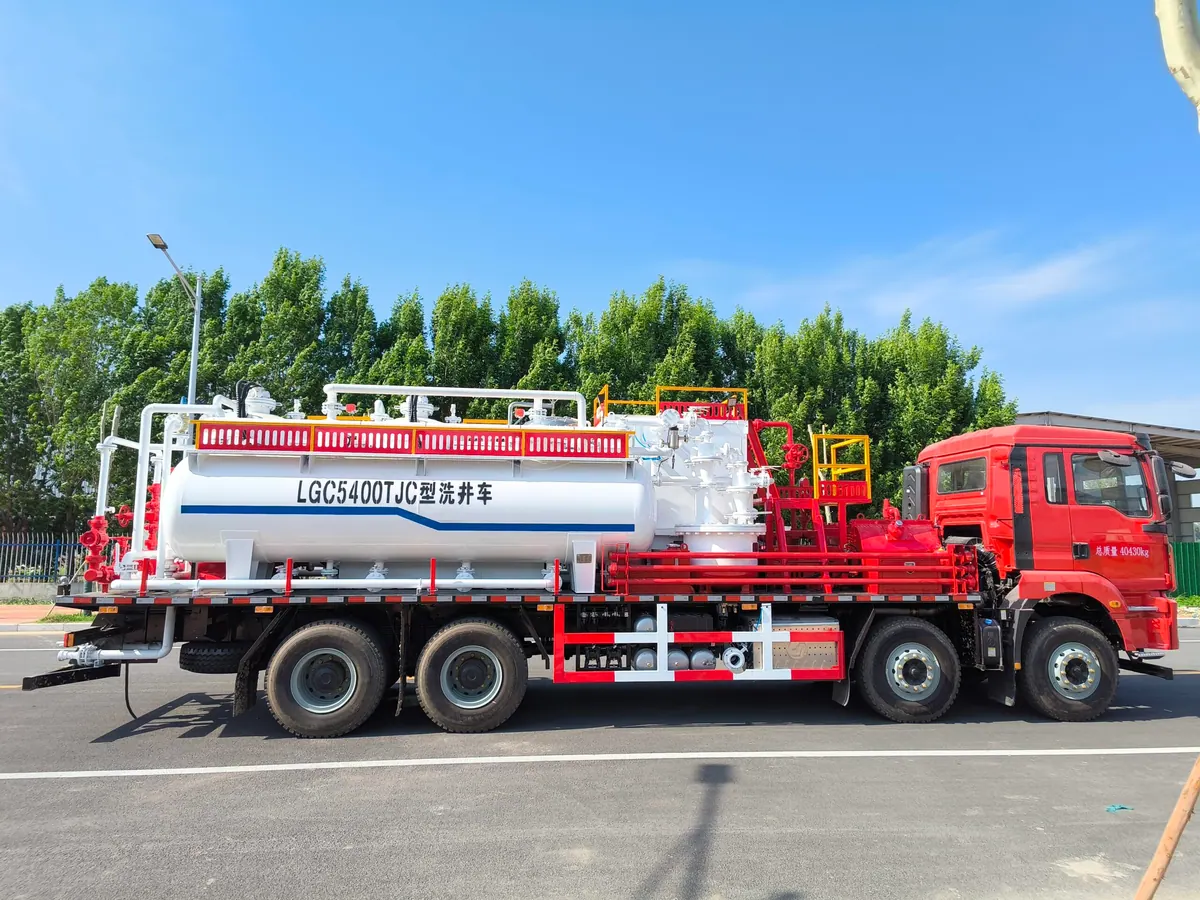
Review servicing and access dependencies
Ask which equipment instructions and resources govern inspection and servicing of the accepted filtration package. Include access, replacement-item identification and required site support in the layout review. Do not treat an indicator as a substitute for suitable equipment selection or necessary maintenance. If a bidder proposes a different filter or installation, require an updated response for the affected instrumentation, access and accepted working cases rather than transferring the original review automatically.
Agree a representative verification boundary
Specify the function and records to be demonstrated at factory acceptance and identify external devices or conditions not present. Distinguish a simulated indication from a demonstrated complete arrangement. Request the final component and document references for handover. The buyer needs an identifiable filtration and indication package without assuming that one factory reading proves acceptable feed quality, full return treatment or service availability throughout every field assignment.
Keep indication, control and fluid quality separate
An indication may show one condition of a filter assembly while the acceptance of recovered liquid depends on other characteristics and project requirements. Ask bidders to state what the supplied information can support and what remains outside its purpose. Identify any protective control function separately and obtain its own reviewed description and evidence. Preserve the instrument and filter identities with the accepted drawings and operating documents. This helps procurement compare useful functions instead of treating an optional sensor, automatic alarm or larger display as proof that the entire recovery arrangement maintains suitable pumping fluid without separate assessment and approved servicing.
Put these items side by side in the bid review
| Purchase item | Question to resolve | Evidence to request |
|---|---|---|
| Function | What fluid and equipment does this filter serve? | Boundary drawing |
| Indication | What is measured and for what purpose? | Instrument schedule |
| Evidence | What was actually demonstrated? | Accepted verification record |
Suggested wording for the quotation request
Identify the filtration and loading-indication package proposed for the sand flushing arrangement. State fluid boundaries, protected equipment, supplied instruments, documents and service resources. Separate indication from control functions and recovered-fluid acceptance. Provide a configuration-specific verification proposal with simulation and site limitations clearly identified, without using generic service thresholds or implying unquoted treatment performance.
Evaluate the complete sand-flushing arrangement against the approved cleanout duty. Confirm the pump and drive operating case, clean-fluid supply, connection boundaries and separate return-handling responsibilities. A maximum pressure, nominal tank size or reference photograph cannot establish the performance of the complete installed system. Keep the accepted equipment list, fluid assumptions, drawings and verification records with the purchase. Resolve missing well or site information with the responsible supplier and engineering teams. Setup, testing and operation require the approved equipment instructions and wellsite procedures.
For the wider equipment scope, consult the Sand Flushing Returns: Solids Separation Before Reuse. Use the RFQ checklist to collect the supporting documents before requesting a configuration-specific quotation.
Buyer questions
Does a filter indication prove recovered liquid is acceptable?
Not alone. Fluid acceptance and the purpose of each measurement must be reviewed separately.
Can one service threshold be used for every filter?
Use the relevant supplier instructions and accepted configuration rather than a universal tender value.
Background and supplier contact
OSHA oil and gas extraction guidance offers related background, not certification of the equipment in a quotation. Applicability must be checked for the project and destination.
Explore the sand flushing unit, browse all technical resources, or visit Vance Petroleum for company information. Request a sand-flushing proposal with the geometry, solids, circulation duty and return-handling scope.