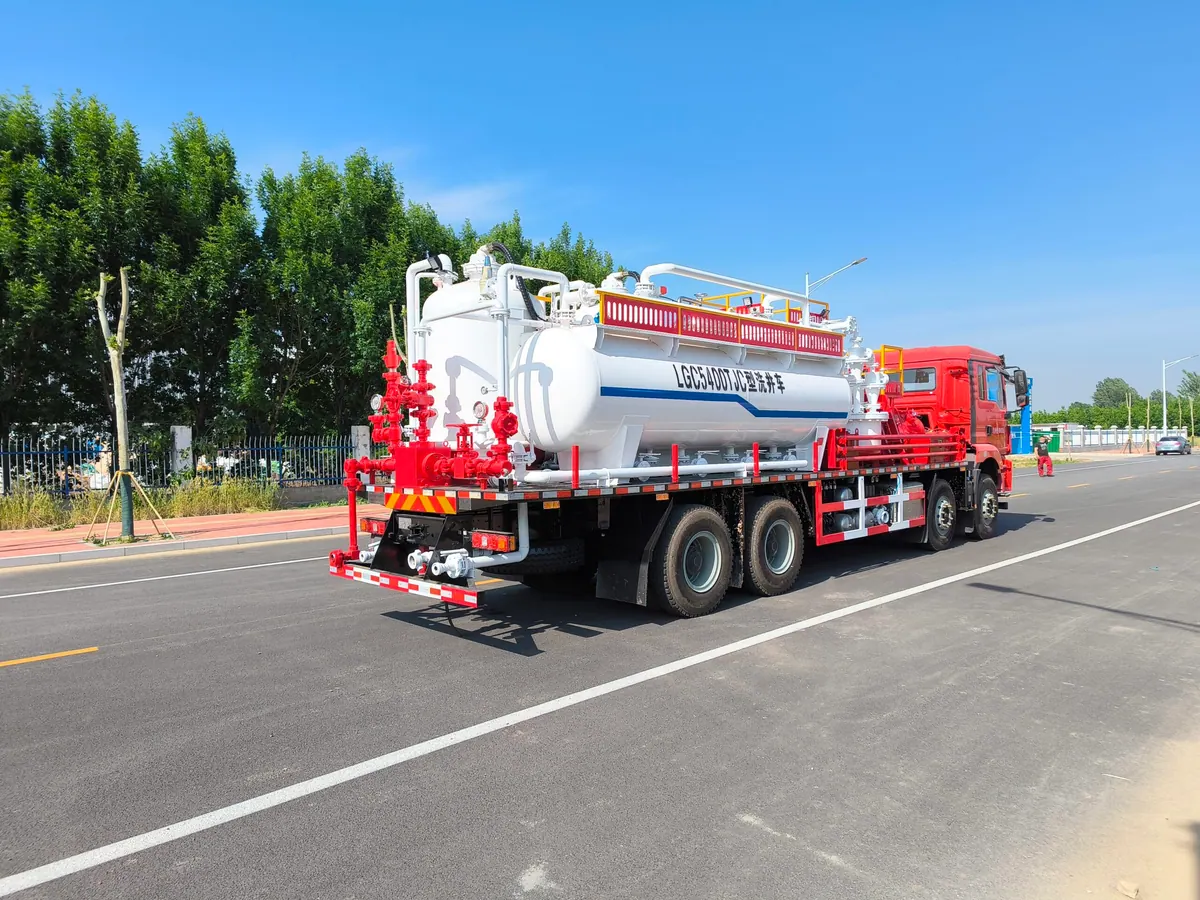
Define the complete arrangement being observed
Request a layout or boundary drawing covering the truck, well connection and proposed receiving equipment. Identify which components are supplied by each party. Ask the responsible team what information is needed about the relevant return route and equipment condition. Do not treat a general monitoring label as proof that all parts of the site are measured or that the truck supplier has accepted responsibility for external equipment.
List measurements with their intended use
Identify quantities, instrument locations and the decisions they support in the accepted project arrangement. Ask whether the values are measured directly, inferred, entered manually or supplied by another system. A panel displaying pressure or flow does not establish the condition of every line or receiving boundary. Keep the procurement requirement about functions and evidence rather than inventing an operating response or assuming a single instrument covers all potential site conditions.
Separate indications from protective functions
Where the project requires an alarm, interlock or other control interface, ask the responsible designers and suppliers to identify its purpose, boundary and verification basis. A status display and an approved protective action are different deliverables. Do not infer automatic site-wide protection from the presence of a PLC or emergency-stop label. Each supplied function needs an accepted description and a clear relationship to external equipment and operating responsibilities.
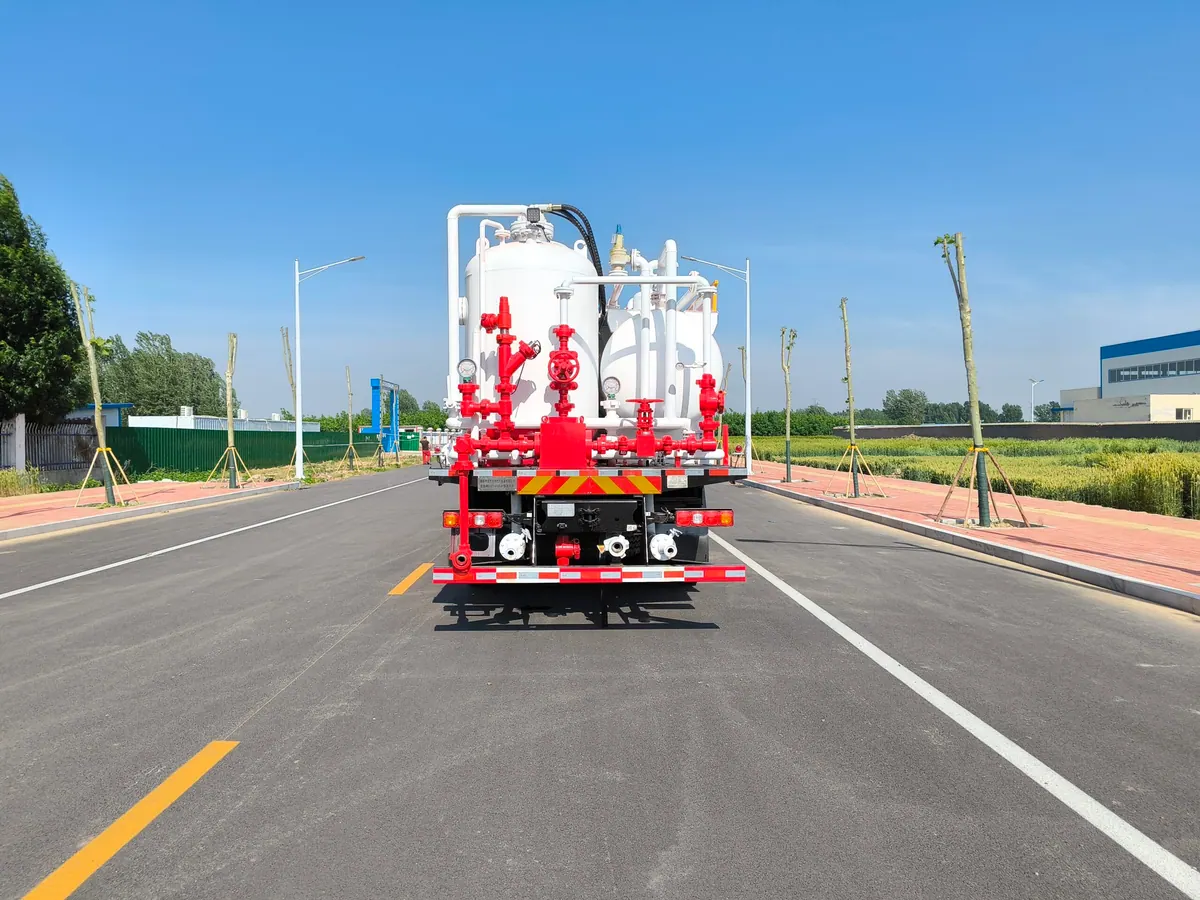
Clarify equipment and communication dependencies
Ask who supplies sensors, cables, signal conversion, power and any necessary site infrastructure. Request identification of restrictions or conditions in which information may be unavailable. A quotation should distinguish a prepared connection from a fully installed and verified monitoring interface. Include access to documents and the process for approving later changes so additional receiving equipment is not connected under an unsupported assumption of compatibility.
Agree demonstrations and site completion checks
The acceptance plan should state which functions can be verified with actual equipment at the factory and which require simulation or later field checks. Record software and component revisions relevant to the supplied scope. Keep operating actions, settings and stopping authority with the approved instructions and site organization. The purchasing objective is a defined monitoring boundary, not an unrestricted promise that the truck control panel makes every external return arrangement suitable for operation.
Review interfaces again when the return route changes
A different tank, manifold, connection or external control system may change the information and functions needed by the project. Request an impact response from affected suppliers and competent reviewers rather than carrying forward a previous monitoring approval. Update the drawings, equipment list and verification scope before closing the change. Keep purchaser staffing and site procedures explicit. This allows an equipment order to provide practical and traceable monitoring functions without treating a display, spare terminal or generic automation option as evidence of complete return-route supervision or authorization to operate an unreviewed arrangement.
Put these items side by side in the bid review
| Purchase item | Question to resolve | Evidence to request |
|---|---|---|
| Boundary | Which route and items are monitored? | Accepted site-interface drawing |
| Function | Indication or approved control action? | Function and responsibility list |
| Completion | What remains to verify at site? | Factory and field evidence plan |
Suggested wording for the quotation request
Define the return-monitoring functions and interfaces supplied with the proposed sand flushing package. Identify instrument origins, external equipment, power and communication dependencies, control responsibilities and exclusions. Separate indications from protective functions. Provide representative factory verification and remaining site checks without implying site-wide monitoring or automatic approval of another receiving arrangement.
Evaluate the complete sand-flushing arrangement against the approved cleanout duty. Confirm the pump and drive operating case, clean-fluid supply, connection boundaries and separate return-handling responsibilities. A maximum pressure, nominal tank size or reference photograph cannot establish the performance of the complete installed system. Keep the accepted equipment list, fluid assumptions, drawings and verification records with the purchase. Resolve missing well or site information with the responsible supplier and engineering teams. Setup, testing and operation require the approved equipment instructions and wellsite procedures.
For the wider equipment scope, consult the Oilfield Sand Flushing Unit: Safety Systems Guide. Use the RFQ checklist to collect the supporting documents before requesting a configuration-specific quotation.
Buyer questions
Does a PLC mean every external return item is monitored?
No. Identify the actual instruments, functions and reviewed equipment boundary.
Is an available connector a verified monitoring interface?
Not by itself. The connected function, compatibility and completion evidence must be defined.
Background and supplier contact
OSHA oil and gas extraction guidance offers related background, not certification of the equipment in a quotation. Applicability must be checked for the project and destination.
Explore the sand flushing unit, browse all technical resources, or visit Vance Petroleum for company information. Request a sand-flushing proposal with the geometry, solids, circulation duty and return-handling scope.