Identify the installation the supplier must review
Provide the well identity, current completion records and the purpose of the proposed cleanout. Distinguish installed equipment from planned changes and identify any uncertainty in the records. Ask the responsible well-service team which information can be released for equipment selection. A nominal tubing size or a historic drawing cannot establish the complete available route if the installation has been modified or the intended cleanout method has changed.
Describe both injection and return boundaries
Have the responsible project team identify the proposed fluid routes and the equipment controlling each boundary. Include relevant changes in flow area, tools and existing connections in the information supplied for review. Do not assume that a pumping truck determines the well circulation method. The supplier needs the approved job basis to assess its offered package, while the well-service engineer retains responsibility for selecting an appropriate method for the installation.
Keep geometry linked to the pumping cases
Ask for a supplier response that identifies the input revision and operating cases used to assess the proposed pump and drive. A rate target must be considered alongside the connected system and the accepted pressure constraints. Do not turn a generic velocity or depth statement into a universal equipment requirement. Record what is calculated, what is measured and what remains provisional so an apparent selection does not conceal unresolved well information.
Separate survey work and adaptation supply
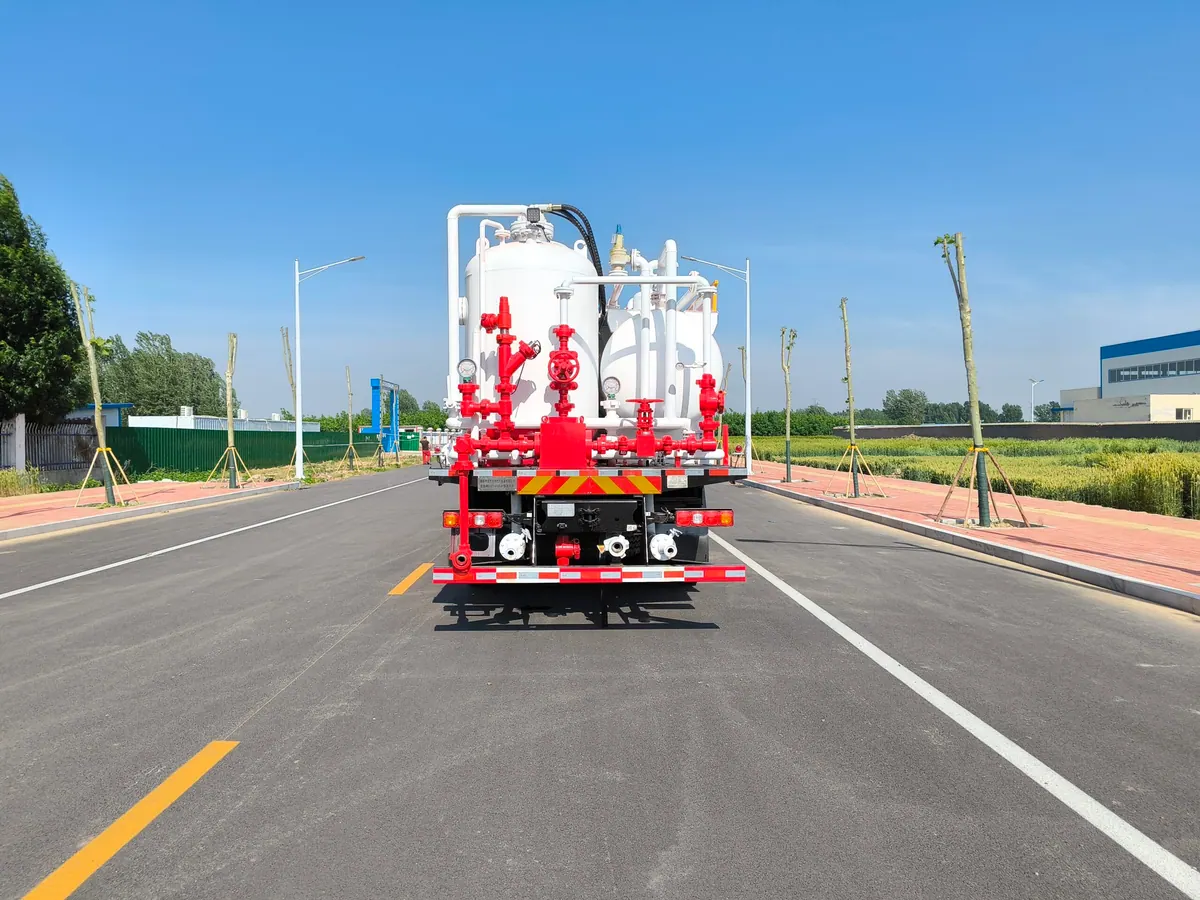
Request drawings showing the truck connection boundary and required mating equipment. Identify who verifies existing dimensions, supplies adapters and reviews affected mechanical limits. A technically plausible pump proposal may still exclude essential interface work. Include those responsibilities in the quotation comparison rather than assuming that a standard manifold or hose kit can connect to every completion covered by a broad product description.
Control changes before approving the purchase
If completion data, tools or the proposed circulation route changes, request a documented impact response from the affected suppliers and project reviewers. Revise the equipment list and selection basis as necessary. Keep acceptance conditions linked to the actual configuration being purchased. The order should establish a traceable response to the well information, not promise compatibility with all future wells of a similar nominal depth or size.
Use a geometry register that survives tender clarification
Assign references to the accepted completion drawing, connection information and proposed tool arrangement. Record the owner of each unresolved input and the review needed before it can be treated as final. Ask the bidder to mark assumptions explicitly instead of silently replacing missing dimensions with catalogue values. Retain the supplier response with the order and handover documents so later reviewers can identify which installation was assessed. This is particularly useful when several well variants appear in one campaign: similar names or nominal sizes should not merge distinct circulation paths into a single unsupported pumping requirement.
Put these items side by side in the bid review
| Purchase item | Question to resolve | Evidence to request |
|---|---|---|
| Installation | Which completion revision applies? | Controlled well record |
| Route | What injection and return paths were reviewed? | Approved job and interface basis |
| Change | What needs reassessment? | Written impact response |
Suggested wording for the quotation request
Assess the proposed sand flushing unit against the attached completion and circulation information. Identify accepted drawing revisions, pumping cases, connection boundaries and missing inputs. State purchaser survey duties, required adaptations and external services. Provide a configuration-specific selection response and explain how changed well geometry or tools affect the quotation and acceptance conditions. Do not assume a universal depth or tubing-size capability.
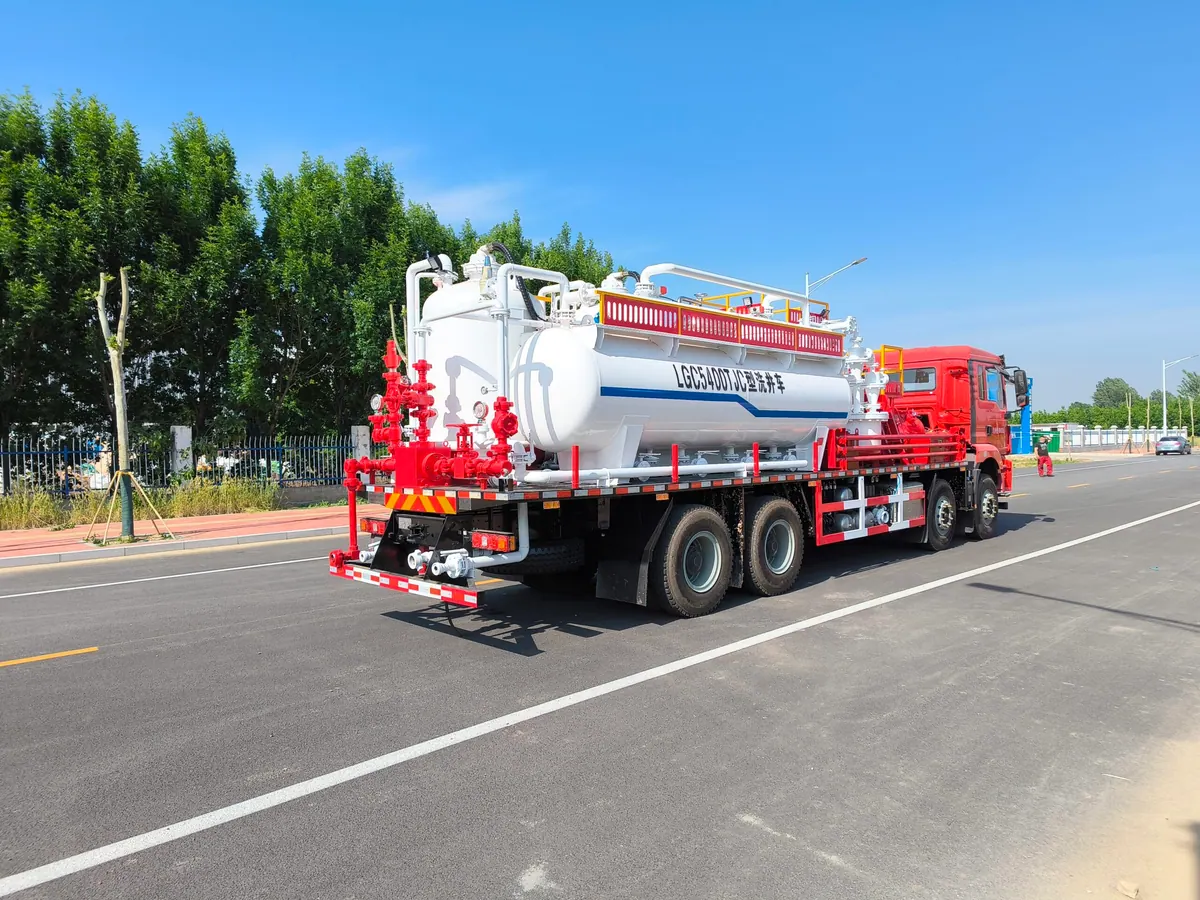
Evaluate the complete sand-flushing arrangement against the approved cleanout duty. Confirm the pump and drive operating case, clean-fluid supply, connection boundaries and separate return-handling responsibilities. A maximum pressure, nominal tank size or reference photograph cannot establish the performance of the complete installed system. Keep the accepted equipment list, fluid assumptions, drawings and verification records with the purchase. Resolve missing well or site information with the responsible supplier and engineering teams. Setup, testing and operation require the approved equipment instructions and wellsite procedures.
For the wider equipment scope, consult the Oilfield Sand Flushing Unit: Specs and Sizing. Use the RFQ checklist to collect the supporting documents before requesting a configuration-specific quotation.
Buyer questions
Is well depth enough to select a sand flushing unit?
No. The actual geometry, circulation method, fluid, solids and connected equipment also govern the required duty.
Does the truck supplier choose the well circulation method?
The responsible well-service team must define the method and constraints; the supplier reviews its package against that accepted basis.
Background and supplier contact
SLB circulation terminology background offers related background, not certification of the equipment in a quotation. Applicability must be checked for the project and destination.
Explore the sand flushing unit, browse all technical resources, or visit Vance Petroleum for company information. Request a sand-flushing proposal with the geometry, solids, circulation duty and return-handling scope.