Separate observations from the estimated deposit
Provide the available evidence for the solids problem, including the source and age of information. Identify whether the project is dealing with an observed restriction, a measured fill indication or a forecast. Ask the responsible well-service team to explain the uncertainty that matters for equipment selection. Do not turn an assumed sand quantity into a measured value simply to complete the RFQ or make competing proposals appear directly comparable.
Ask for bounded selection cases
Use the project engineering review to establish the conditions bidders should address, including plausible variation in loading and working duration. Request a response for each case and identify any limits the supplier cannot yet confirm. The buyer should not prescribe a universal contingency percentage or maximum solids concentration without a reviewed basis. A range of clearly labelled assumptions is more useful than a single apparently precise figure with no supporting evidence.
Link uncertainty to supporting equipment
Ask how the proposed assignment affects fluid replenishment, return receiving, retained solids and service access. The pumping package may remain available while external handling resources become the limiting dependency. Require each bidder to state what is included and which purchaser services it assumes. Do not treat a large tank or nominal pump output as proof that the complete arrangement can handle every possible deposit within an undefined working period.
Distinguish equipment capacity from job outcome
Request the installed pump and drive operating envelope and relevant verification records for the offered configuration. Keep this evidence separate from predictions of sand recovered, restored production or job duration. Those results depend on the approved method and actual well conditions. If a bidder offers a performance commitment, require a defined basis, measurement arrangement, exclusions and responsible review rather than accepting a general promise that the well will be cleaned completely.
Define when new information changes the order
Agree how revised well observations affect selection, external handling and commercial scope. Identify the information that must be confirmed before manufacturing release or site acceptance. A changed deposit estimate may require another review of campaign resources without necessarily changing every truck component. Keep that distinction visible so the buyer can evaluate a supplier response without treating uncertainty as either irrelevant or automatic justification for unspecified additional equipment.
Make the assumptions schedule part of the comparison
Place the input source, confidence limitation and accepted case beside each important selection requirement. Ask all bidders to state which case governs their offer and what additional information could change the conclusion. Keep unpriced future work separate from the equipment actually ordered. Where the project has no defensible estimate, request the responsible engineering review rather than borrowing a number from another well. This approach gives procurement a transparent basis for decisions while preserving the distinction between supported equipment capability and a cleanout result that cannot be guaranteed from incomplete deposit information alone.
Put these items side by side in the bid review
| Purchase item | Question to resolve | Evidence to request |
|---|---|---|
| Evidence | Measured, observed or estimated? | Dated source record |
| Selection | Which range governs the package? | Reviewed duty-case schedule |
| Resources | What depends on the actual deposit? | Supply and service assumptions |
Suggested wording for the quotation request
Quote the sand flushing package against the attached bounded cases and identify every material assumption about deposit quantity and loading. Separate demonstrated equipment capability from projected job duration or recovered solids. State return-handling, replenishment and service dependencies and identify the information needed to confirm selection. Explain how revised well data would be reviewed before changing the agreed equipment or commercial scope.
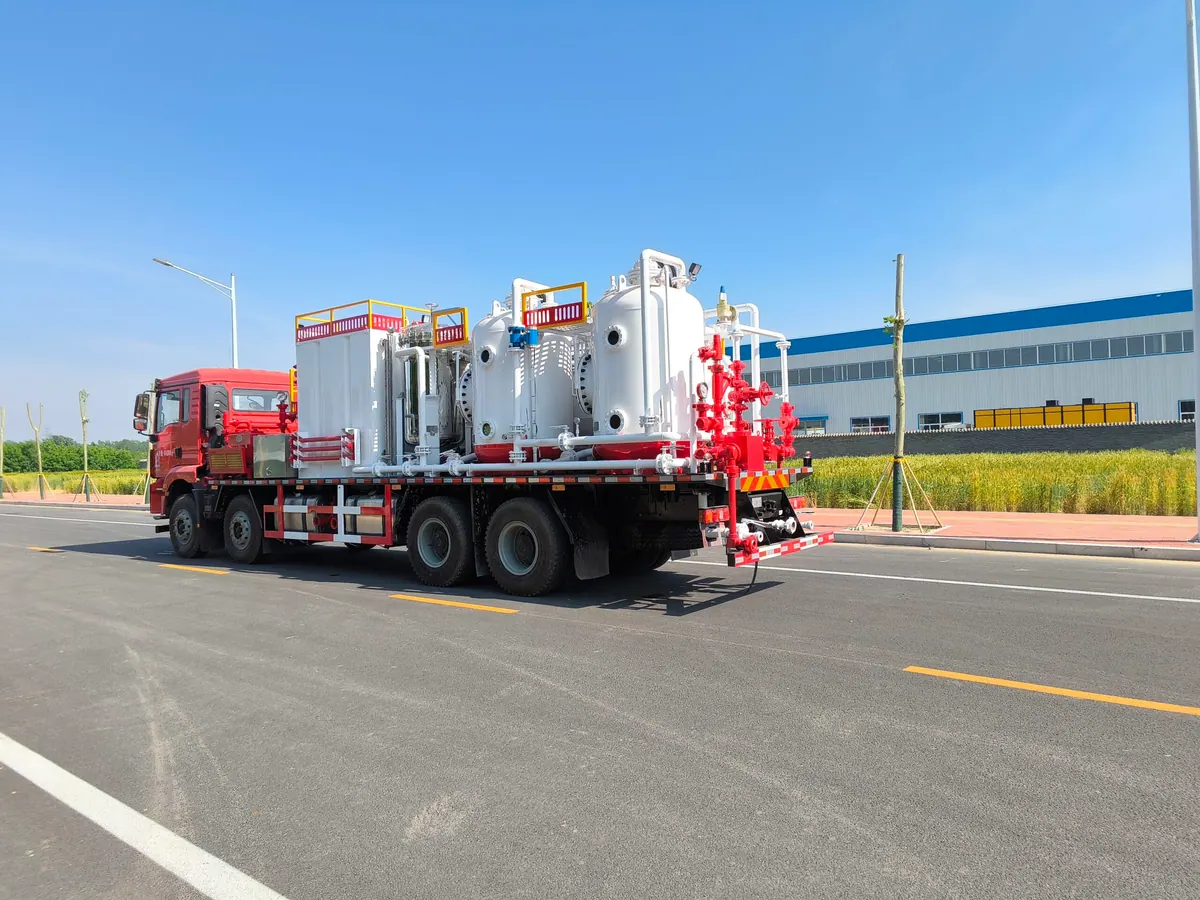
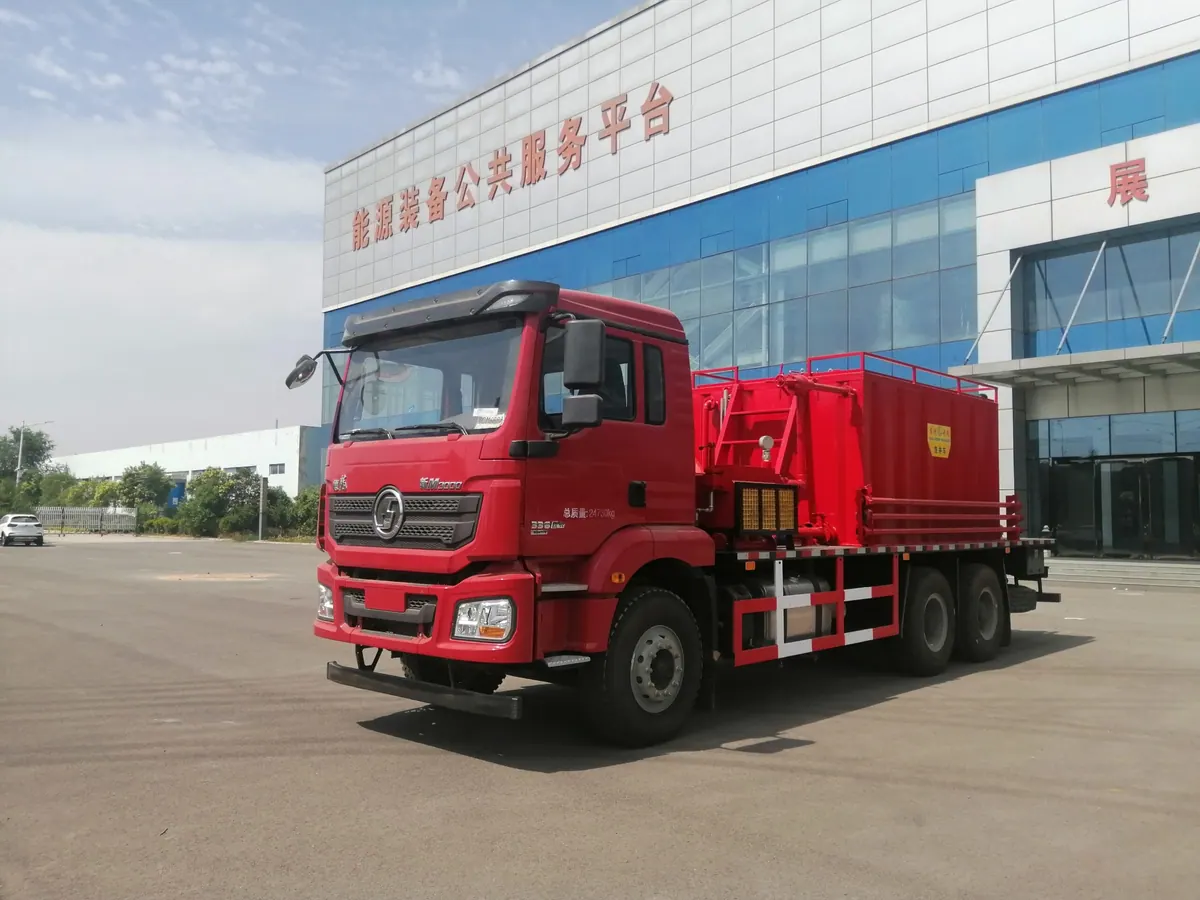
Evaluate the complete sand-flushing arrangement against the approved cleanout duty. Confirm the pump and drive operating case, clean-fluid supply, connection boundaries and separate return-handling responsibilities. A maximum pressure, nominal tank size or reference photograph cannot establish the performance of the complete installed system. Keep the accepted equipment list, fluid assumptions, drawings and verification records with the purchase. Resolve missing well or site information with the responsible supplier and engineering teams. Setup, testing and operation require the approved equipment instructions and wellsite procedures.
For the wider equipment scope, consult the Oilfield Sand Flushing Unit: RFQ Checklist. Use the RFQ checklist to collect the supporting documents before requesting a configuration-specific quotation.
Buyer questions
Should an unknown sand quantity be replaced with a typical value?
Only a responsible project review can establish a suitable assumption; keep its source and uncertainty explicit.
Does a pump test guarantee the amount of sand recovered?
No. Equipment verification and actual well-cleanout outcome are different acceptance questions.
Background and supplier contact
SLB circulation terminology background offers related background, not certification of the equipment in a quotation. Applicability must be checked for the project and destination.
Explore the sand flushing unit, browse all technical resources, or visit Vance Petroleum for company information. Request a sand-flushing proposal with the geometry, solids, circulation duty and return-handling scope.