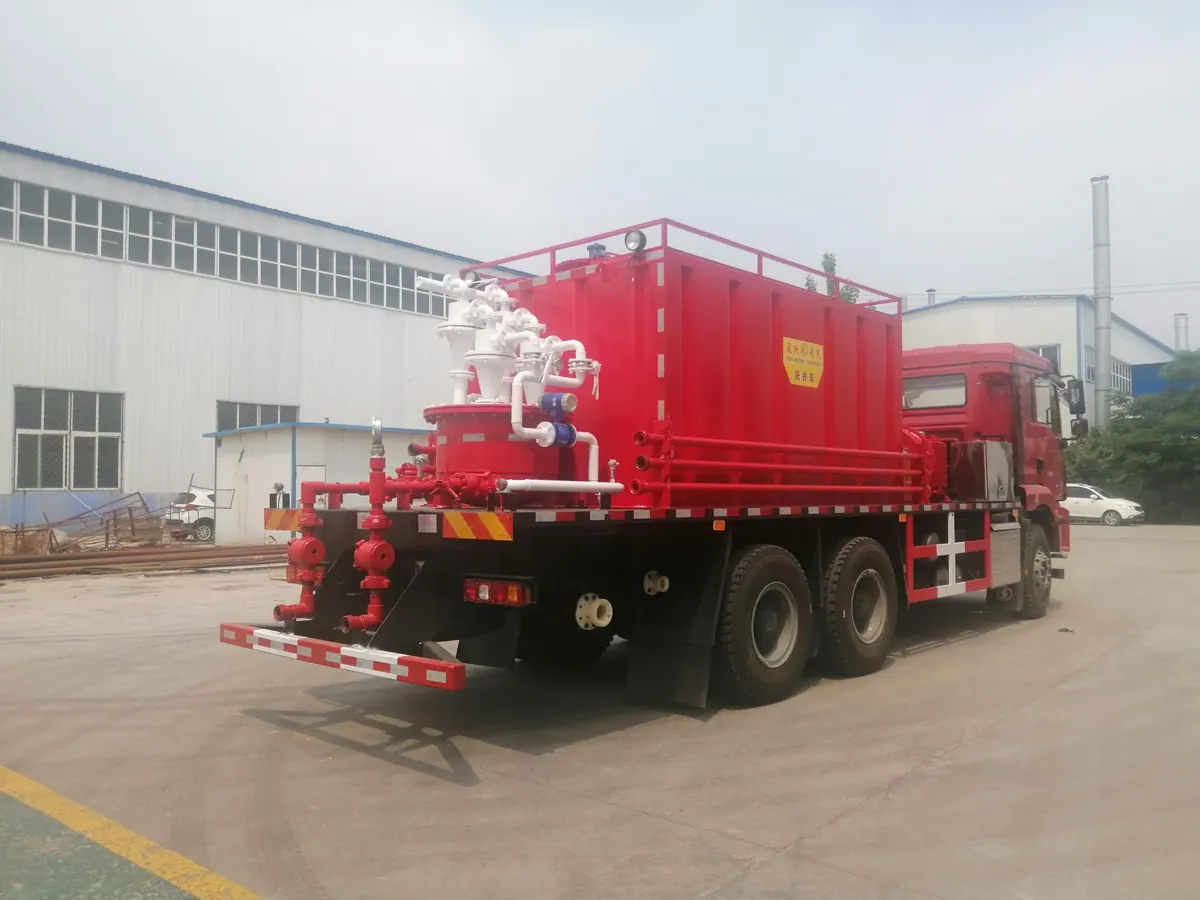
Identify the acceptance decisions independently
List delivery condition, supplied-item completeness, equipment-function checks and any agreed job-related assessment as distinct requirements. Ask which party accepts each boundary and what supporting records it needs. A single commissioning signature should not obscure unresolved interfaces or turn a limited demonstration into a guaranteed well result. Keep the accepted pumping configuration and external services visible throughout the handover so responsibilities remain tied to the actual purchased scope.
Use the reviewed job basis for field checks
The responsible well-service team should identify the conditions and method relevant to any field demonstration. Request the supplier equipment limits and supporting documents for that case. Do not invent a universal cleanliness target, operating duration or post-cleanout production improvement. The acceptance plan needs an agreed technical basis and suitable measurement arrangements, not a generic promise that a functioning truck will produce the same outcome at every well.
Define measurements and their boundaries
Ask what observations or measurements support each decision and whether they come from supplied or external instruments. Distinguish returned material records, pump indications and the separately assessed condition of the well. A visually changed return stream or displayed pumping rate does not automatically establish complete deposit removal. Keep the origin, limitations and responsible interpretation of each record explicit so evidence is not used to support a conclusion beyond its proper purpose.
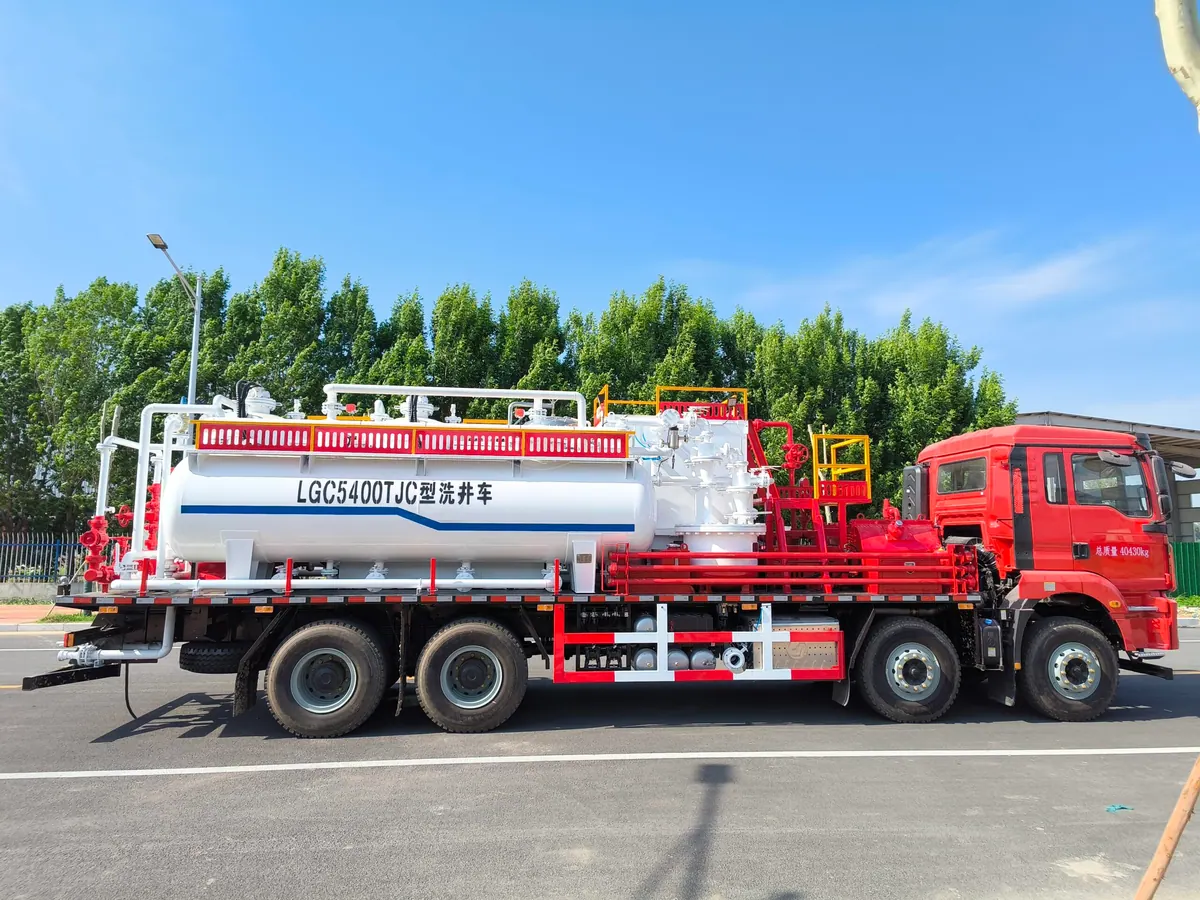
Account for external equipment and site readiness
Identify receiving, intervention, fluid supply, personnel and other services on which the planned checks depend. Ask how missing or changed resources affect the handover and supplier attendance. A delay caused by unconfirmed external equipment should not disappear into a general statement that the truck failed or passed. The purchase documents should make readiness conditions and completion duties traceable without replacing the operator control of the actual well operation.
Close deviations against the delivered configuration
Record the unit identity, accepted drawings, operating documents and any remaining actions. Ask how issues are investigated and how corrective changes affect earlier evidence. Separate completion of equipment checks from unresolved job-outcome questions. A supportable handover states what was demonstrated, under which conditions and by whom, without implying that a particular restored production level or complete cleanout was guaranteed by the equipment sale unless expressly supported in the agreement.
Make outcome language measurable without inventing a guarantee
If the project requests a performance commitment beyond equipment functions, require the relevant conditions, measurement method, exclusions and responsible parties to be defined and reviewed. Ask which variables are controlled by the supplier and which depend on the well and external services. Keep provisional criteria visibly provisional until agreed. Preserve the records needed to compare observations with that accepted basis. This allows a buyer to request meaningful evidence and negotiate clear obligations without treating a catalogue claim, reference photograph or successful factory test as a universal promise about the condition or production of every well after flushing.
Put these items side by side in the bid review
| Purchase item | Question to resolve | Evidence to request |
|---|---|---|
| Decision | Equipment function or well outcome? | Defined acceptance schedule |
| Evidence | Which measurements support the decision? | Reviewed record and interpretation basis |
| Dependencies | Who provides required site services? | Readiness and responsibility list |
Suggested wording for the quotation request
Define delivery, equipment-function and any job-related acceptance boundaries for the sand flushing unit. Identify the reviewed conditions, measurement origins, external services and responsible acceptance parties. State the documents, deviations and closeout process. Separate demonstrable package capability from field outcome commitments and avoid unsupported fixed cleanout times or universal production-restoration guarantees.
Evaluate the complete sand-flushing arrangement against the approved cleanout duty. Confirm the pump and drive operating case, clean-fluid supply, connection boundaries and separate return-handling responsibilities. A maximum pressure, nominal tank size or reference photograph cannot establish the performance of the complete installed system. Keep the accepted equipment list, fluid assumptions, drawings and verification records with the purchase. Resolve missing well or site information with the responsible supplier and engineering teams. Setup, testing and operation require the approved equipment instructions and wellsite procedures.
For the wider equipment scope, consult the Oilfield Sand Flushing Unit: Commissioning Guide. Use the RFQ checklist to collect the supporting documents before requesting a configuration-specific quotation.
Buyer questions
Does commissioning acceptance mean all deposits were removed?
Only the agreed evidence and acceptance boundary can establish a particular job result.
Should restored production be assumed from a functioning truck?
No. Well outcome and equipment function are different questions with different influencing conditions.
Background and supplier contact
SLB circulation terminology background offers related background, not certification of the equipment in a quotation. Applicability must be checked for the project and destination.
Explore the sand flushing unit, browse all technical resources, or visit Vance Petroleum for company information. Request a sand-flushing proposal with the geometry, solids, circulation duty and return-handling scope.