List measurements by purpose and location
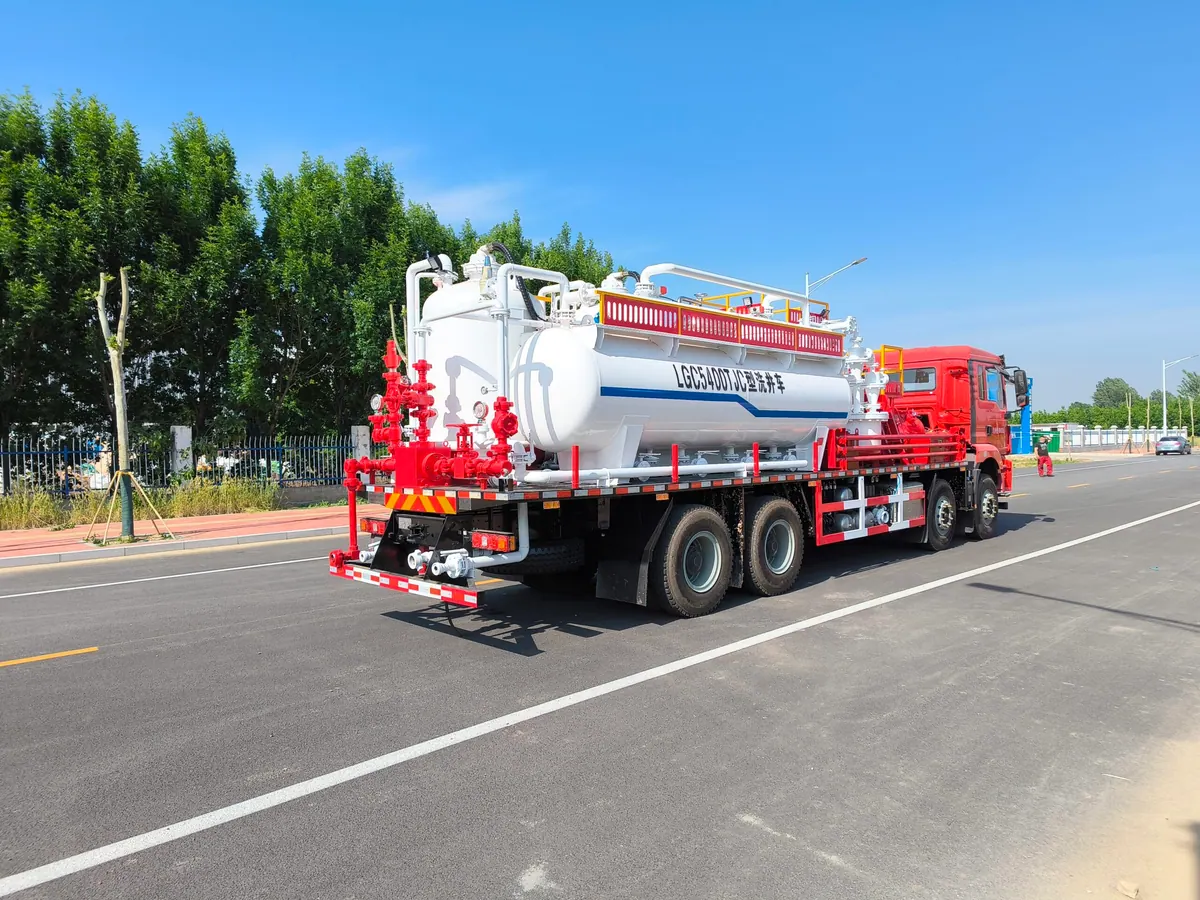
Ask the bidder to identify supplied instruments and the quantity, boundary and intended use of each measurement. Separate local indication, recorded data and inputs used by an accepted control function. Do not assume that every displayed number comes from a dedicated calibrated sensor. Identify external instruments and calculated values so the purchaser can understand which records the truck can actually provide without relying on an undefined digital-monitoring claim.
Request selection information relevant to the case
Have the supplier explain the proposed range and relevant operating conditions for each important measurement. Keep the actual fluid, installation and accepted equipment limits in the review. A wide display range does not establish suitability or measurement quality for the intended working case. Avoid prescribing a universal accuracy requirement without an agreed purpose; ask the responsible project team to define the evidence needed for the decision each instrument supports.
Define the records included with delivery
Agree which identification, calibration, verification or other documents are supplied and what each establishes. Ask whether the record refers to the installed item, a component type or a factory reference instrument used during testing. A generic certificate cannot substitute for traceability where the purchase requires item-specific evidence. Keep project and destination requirements under appropriate review rather than implying that a particular document title automatically satisfies every application.
Coordinate instruments with factory acceptance
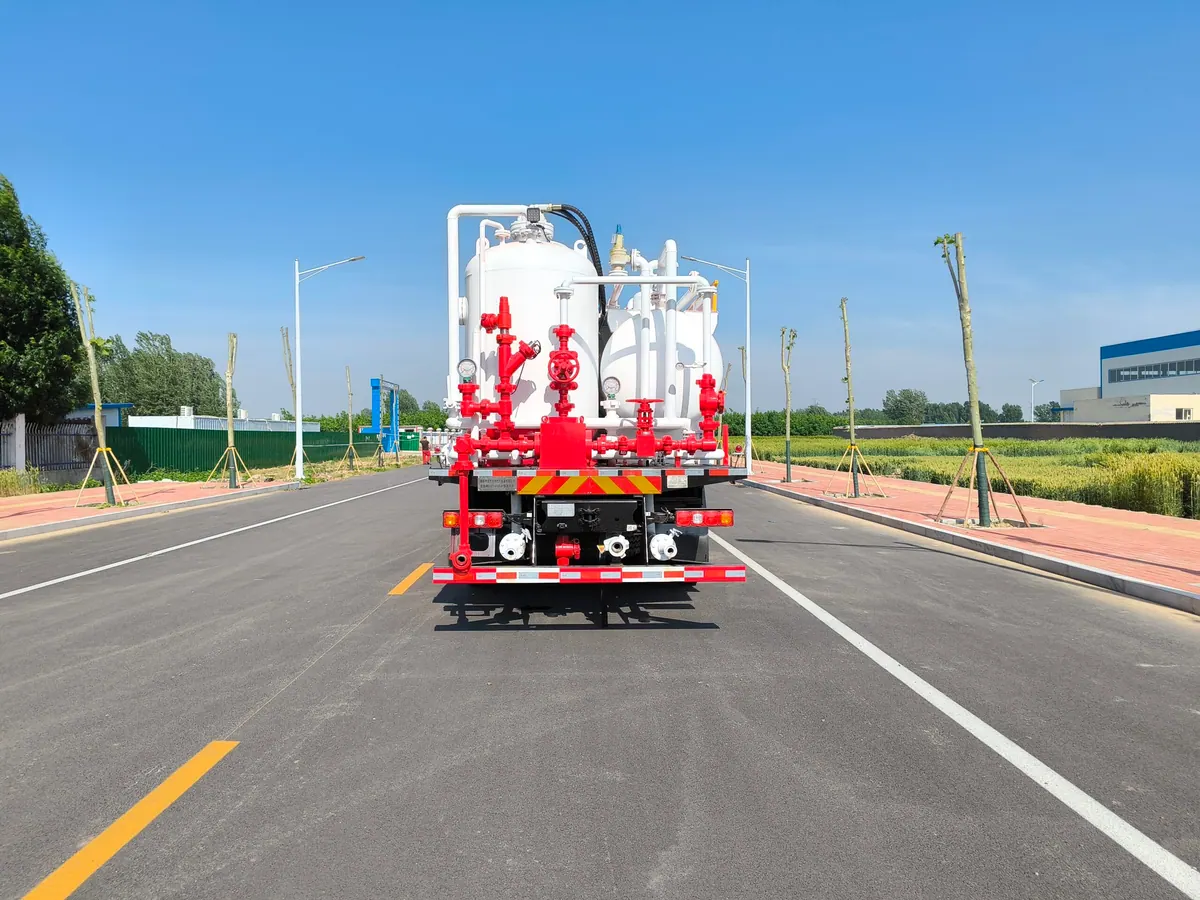
Ask how test records identify the measurement sources used to demonstrate the ordered package. Separate supplier test instruments from those delivered on the unit. Record relevant configurations, dates and limitations so later reviewers can interpret the results properly. A successful functional display check and a measurement-evidence review answer different questions; the acceptance plan should identify both where needed instead of compressing them into an unsupported blanket approval.
Preserve the baseline after handover
Reconcile the final installed list and document register before closing the order. Ask which maintenance and periodic verification responsibilities apply under the relevant instructions and agreed support arrangement. Define how a replacement or changed range is reviewed and recorded. The purchase should create an identifiable measurement baseline without inventing a universal recalibration interval or assuming that a certificate remains sufficient after the instrument, installation or intended use changes.
Keep measurement quality distinct from process acceptance
Even a suitably verified instrument measures only its defined quantity and boundary. It does not automatically establish recovered-fluid suitability, complete solids removal or a well-performance result. Ask the project team to identify the additional evidence required for those decisions. Retain the installed-item identification and supplier records alongside the accepted purpose and range. If the proposed configuration changes before shipment, update the list and any affected test references. This makes the instrument package useful for purchasing and later support without treating calibration paperwork, a digital screen or a familiar brand name as proof of every claimed process or operational outcome.
Put these items side by side in the bid review
| Purchase item | Question to resolve | Evidence to request |
|---|---|---|
| Purpose | What does the measurement support? | Instrument function schedule |
| Identity | Which installed item does the record cover? | Final identification and documents |
| Change | What happens after replacement or range changes? | Approved record-update process |
Suggested wording for the quotation request
Identify the supplied sand flushing unit instruments, their locations, purposes and relevant selection basis. Itemize the calibration or verification records included and distinguish installed instruments from factory test equipment. State required purchaser inputs, final identification and maintenance-document responsibilities. Define how substitutions and changes affect evidence without claiming universal accuracy, compliance or process-performance approval.
Evaluate the complete sand-flushing arrangement against the approved cleanout duty. Confirm the pump and drive operating case, clean-fluid supply, connection boundaries and separate return-handling responsibilities. A maximum pressure, nominal tank size or reference photograph cannot establish the performance of the complete installed system. Keep the accepted equipment list, fluid assumptions, drawings and verification records with the purchase. Resolve missing well or site information with the responsible supplier and engineering teams. Setup, testing and operation require the approved equipment instructions and wellsite procedures.
For the wider equipment scope, consult the Oilfield Sand Flushing Unit: FAT Checklist. Use the RFQ checklist to collect the supporting documents before requesting a configuration-specific quotation.
Buyer questions
Does every displayed value come from a calibrated installed sensor?
Not necessarily. Request the origin, purpose and evidence for each important value.
Does calibration prove the cleanout result?
No. Instrument evidence supports its defined measurement; job acceptance needs its own reviewed basis.
Background and supplier contact
OSHA oil and gas extraction guidance offers related background, not certification of the equipment in a quotation. Applicability must be checked for the project and destination.
Explore the sand flushing unit, browse all technical resources, or visit Vance Petroleum for company information. Request a sand-flushing proposal with the geometry, solids, circulation duty and return-handling scope.