Describe known uncertainty without diagnosing the well
Give the responsible team available records about the proposed circulation and return conditions. Identify what is observed, forecast or still unknown. Ask the well-service engineer to establish whether the planned cleanout method and assumptions are suitable for selection. Do not ask the truck supplier to guarantee a return condition from limited information or treat a purchasing proposal as approval to proceed with an unreviewed well arrangement.
Keep well constraints distinct from equipment capacity
The project should identify the approved operating boundaries and the response responsibilities associated with uncertain returns. The equipment supplier should state the capability and restrictions of its package within that basis. A high pump rating or additional fluid storage does not authorize a different well duty. Avoid putting generic operating actions into the RFQ; specify required equipment functions and evidence while leaving the approved procedure with responsible personnel.
Make the fluid-resource assumptions explicit
Ask how the proposed campaign depends on usable supply volume, replenishment and external storage. Keep estimated consumption and uncertain return availability visible in the selection cases. Do not calculate a guaranteed working duration from tank volume alone. Require bidders to state which transfer equipment, supply services and consumables are included and which remain with the purchaser, especially where the assignment may need more support than an ordinary fully returning circulation case.
Specify the monitoring boundary actually purchased
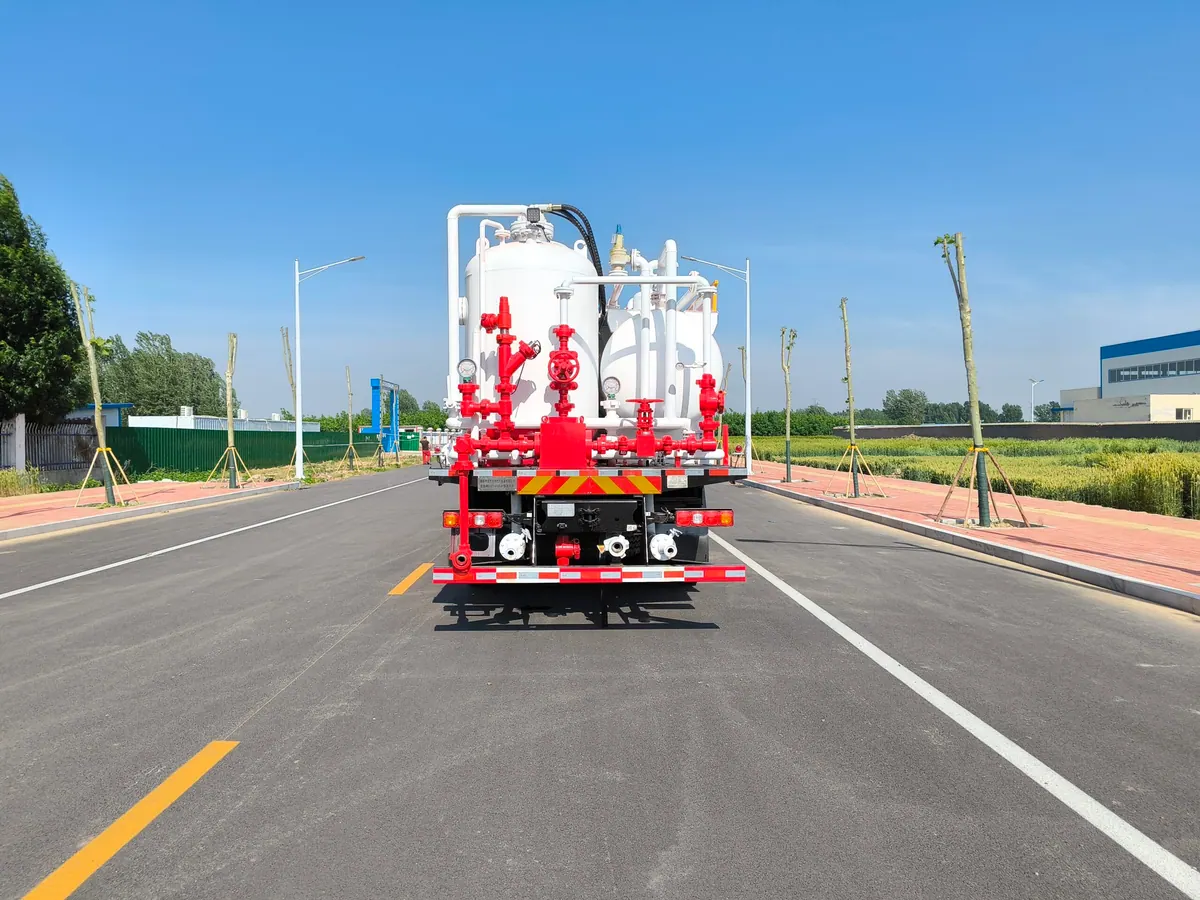
Identify the measurements and indications the project needs from the truck and which come from external equipment. Request the instrument purpose, range basis and supporting documentation rather than assuming that a display establishes a complete fluid balance. Clarify the control interfaces and information available to the responsible crew. Any site response or stopping authority belongs in the accepted program and operating organization, not in an unrestricted automation claim from the equipment quotation.
Agree selection review and acceptance limitations
Ask the supplier to identify the operating cases assessed and what new well information would trigger reassessment. Factory verification should state the tested conditions honestly and separate simulated inputs from demonstrated package functions. Define remaining site checks and external dependencies before accepting the equipment arrangement. The purchase should support a reviewed cleanout assignment without promising continuous work, complete returns or a universal solution to losses in every well condition.
Evaluate the supporting arrangement as a dependency
Compare the availability of fluid supply, qualified personnel, external instruments and site communications alongside the truck equipment. Identify which resources can actually be provided for the intended campaign and which remain unconfirmed. Ask bidders to preserve those dependencies in the accepted scope rather than treating them as assumptions that disappear after award. If the project basis changes, obtain a documented response before approving additional equipment or a different operating arrangement. This gives procurement a bounded and traceable selection while avoiding the mistaken conclusion that pumping capacity alone resolves uncertainty about circulation returns and well behavior.
Put these items side by side in the bid review
| Purchase item | Question to resolve | Evidence to request |
|---|---|---|
| Well basis | What uncertainty has been reviewed? | Approved project assumptions |
| Resources | What supply and support are assumed? | Itemized site dependency list |
| Monitoring | Which information is actually supplied? | Instrument and interface schedule |
Suggested wording for the quotation request
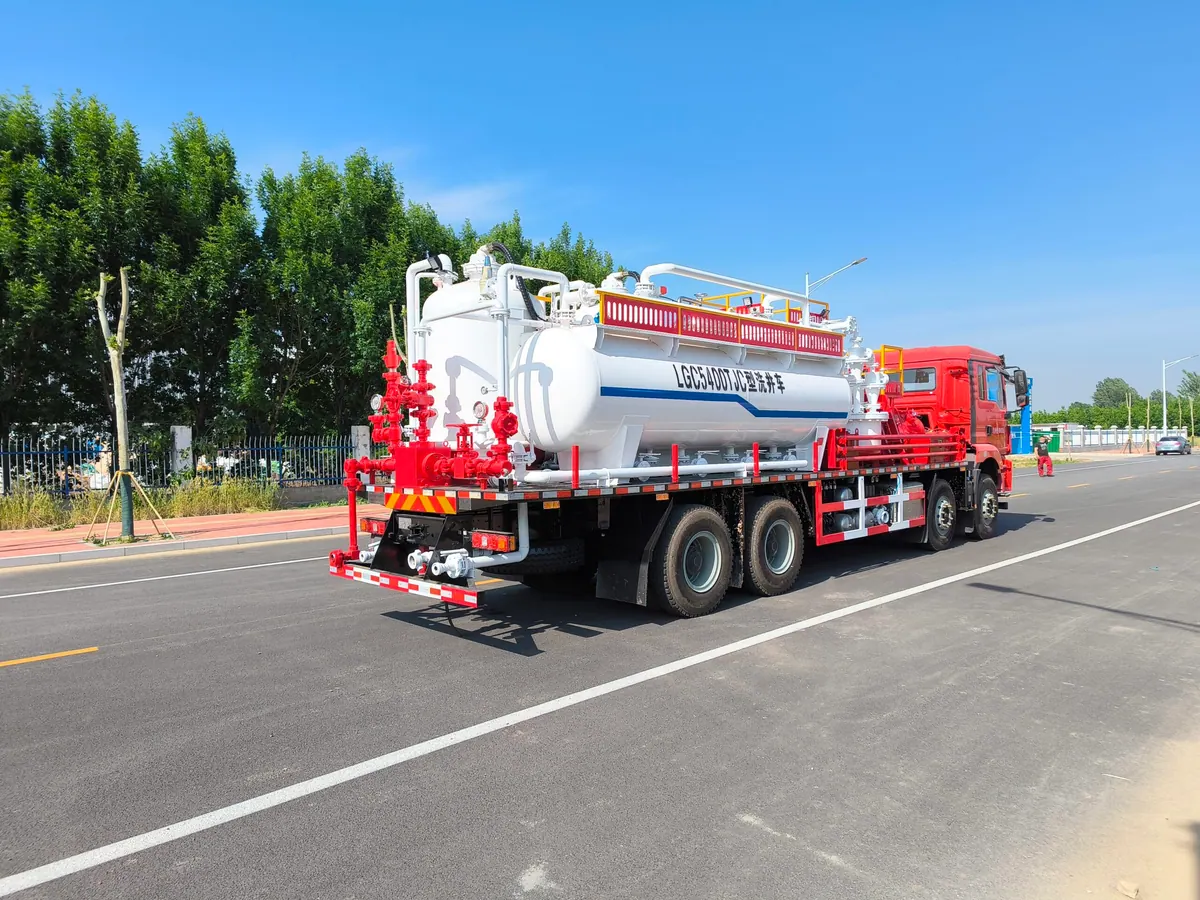
Assess the proposed sand flushing package against the attached reviewed cases with uncertain return availability. State well-information assumptions, fluid-supply dependencies, supplied monitoring functions and external responsibilities. Identify relevant verification evidence and limitations. Explain what information requires selection reassessment without proposing unapproved operating actions or implying that tank capacity alone establishes a suitable response to return losses.
Evaluate the complete sand-flushing arrangement against the approved cleanout duty. Confirm the pump and drive operating case, clean-fluid supply, connection boundaries and separate return-handling responsibilities. A maximum pressure, nominal tank size or reference photograph cannot establish the performance of the complete installed system. Keep the accepted equipment list, fluid assumptions, drawings and verification records with the purchase. Resolve missing well or site information with the responsible supplier and engineering teams. Setup, testing and operation require the approved equipment instructions and wellsite procedures.
For the wider equipment scope, consult the Oilfield Sand Flushing Unit: Pre-Job Checklist. Use the RFQ checklist to collect the supporting documents before requesting a configuration-specific quotation.
Buyer questions
Does additional tank volume resolve uncertain returns?
No. It changes one resource; the well-service basis, constraints and complete supporting arrangement still require review.
Does a flow display establish a complete fluid balance?
Not by itself. Identify measurements, boundaries, external inputs and the intended use of the data.
Background and supplier contact
OSHA oil and gas extraction guidance offers related background, not certification of the equipment in a quotation. Applicability must be checked for the project and destination.
Explore the sand flushing unit, browse all technical resources, or visit Vance Petroleum for company information. Request a sand-flushing proposal with the geometry, solids, circulation duty and return-handling scope.