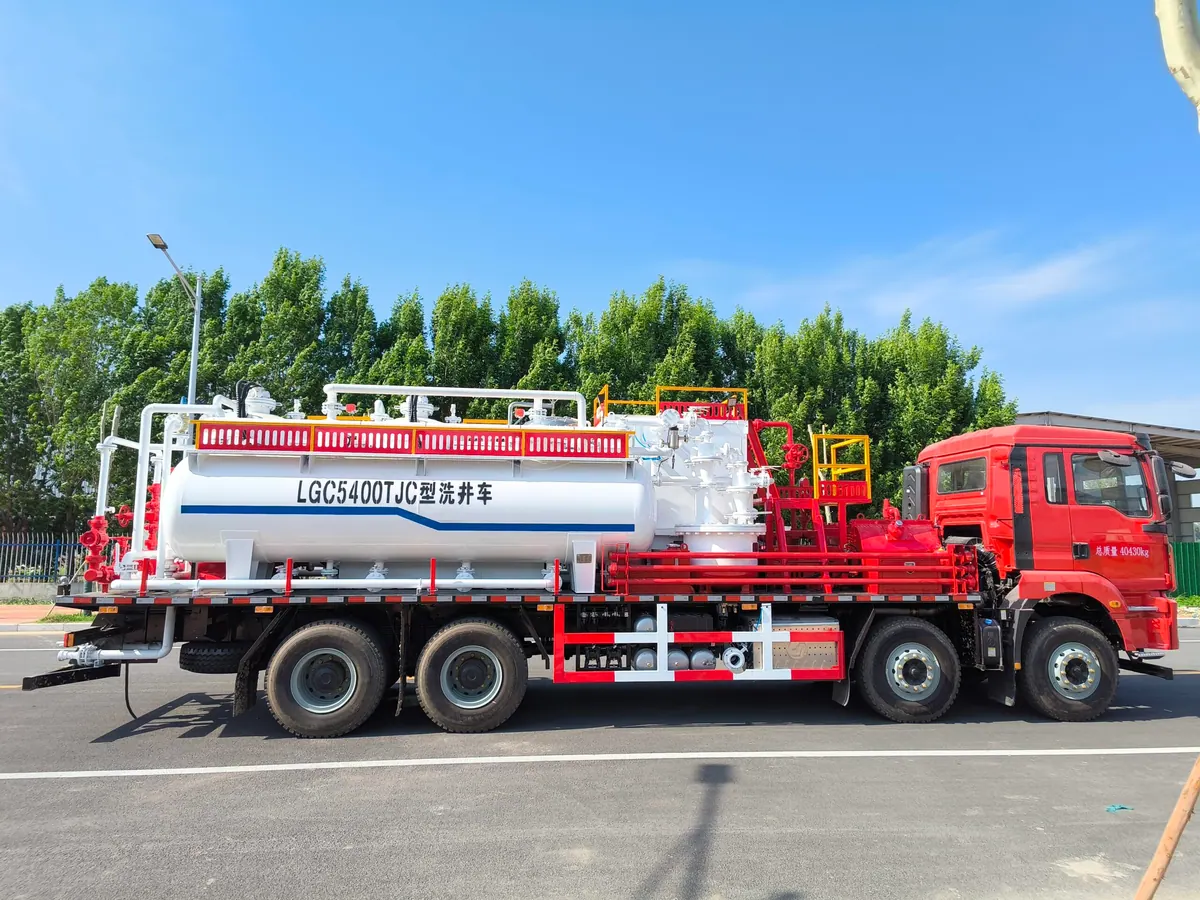
Provide the available return-stream information
Ask the operator and responsible well-service team to identify relevant fluid constituents and variation for the proposed assignment. State uncertainty rather than assuming returns match the injected liquid. The supplier needs an appropriate selection basis, but a procurement document should not invent a composition, classify the site or prescribe a handling method. Identify which information requires further engineering or sampling review before the package boundary can be accepted.
Separate pumping from receiving functions
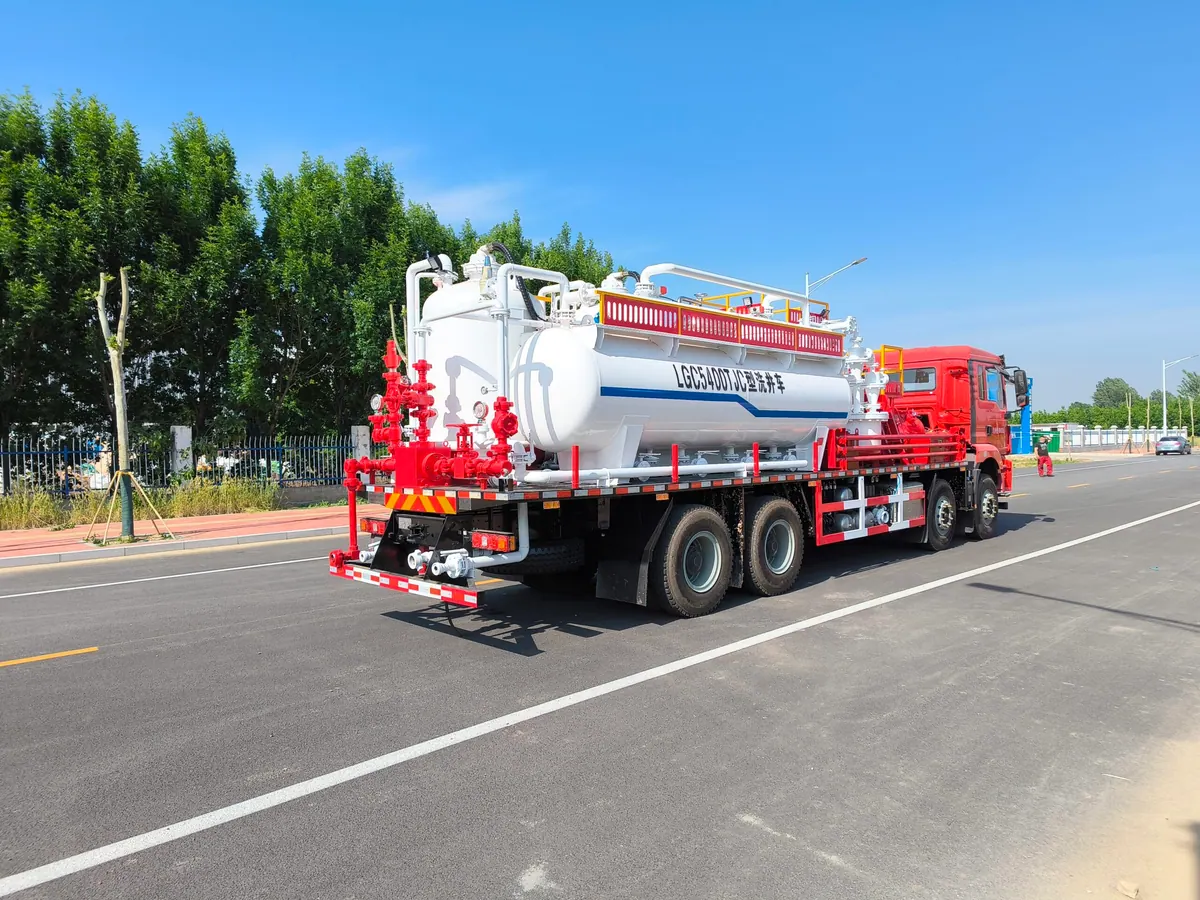
Request a supply-boundary drawing showing the clean-fluid side, truck connections and external receiving route. Identify any quoted return tanks, solids equipment or other auxiliaries by their actual function. Do not assume that sand flushing equipment includes gas separation, vapor control, hydrocarbon treatment or a complete well-test spread. Each required function needs an identified responsible party and a configuration-specific response to the anticipated service.
Ask for compatibility at each supplied boundary
Have the supplier identify the components it supplies that could contact the relevant fluids and state the review basis and limitations. A material statement for one item does not approve the complete installation. Ask who reviews external equipment and interfaces not included in the truck offer. Keep the relevant project and destination requirements with competent reviewers rather than treating a generic equipment description as universal approval for hazardous service.
Keep reuse and disposal decisions separate
Collecting returns or removing visible sand does not establish that the liquid is acceptable for the pump, well program or destination requirements. Identify the purchaser assessment and any external treatment or disposal services needed. Do not describe a recovery option as a zero-discharge or universally reusable-water system without supporting scope and evidence. The quotation should make excluded process functions and site dependencies visible before commercial evaluation.
Agree documentation and site acceptance duties
Request the supplied equipment identification, relevant technical records and verification plan. Distinguish factory checks from review of actual field fluids and the connected site arrangement. Ask which information must be confirmed before mobilization and what changes require reassessment. A clear purchase boundary allows the truck and external services to be coordinated without transferring every wellsite handling responsibility to the pumping-equipment supplier by implication.
Do not compare unlike return packages as equivalent
One offer may supply only a connection point, while another includes identified receiving equipment or separately designed process functions. Require both bidders to state inclusions, exclusions, assumptions and responsible parties for the complete project route. Keep an optional item separate until its service and supporting documents are reviewed. Where the operator cannot yet establish return conditions, preserve the uncertainty as a selection condition. This avoids treating a lower vehicle price or an attractive closed-loop label as evidence that all fluid constituents, gas-related interfaces and downstream responsibilities have already been addressed in the quoted package.
Put these items side by side in the bid review
| Purchase item | Question to resolve | Evidence to request |
|---|---|---|
| Returns | What constituents and uncertainty matter? | Reviewed stream information |
| Scope | Who provides each receiving function? | Equipment and responsibility schedule |
| Use | What assessment governs reuse or disposal? | Accepted project boundary |
Suggested wording for the quotation request
Define the proposed sand flushing unit supply boundary for the attached anticipated return conditions. Identify supplied wetted equipment, external receiving functions, required engineering inputs and limitations. Separate solids removal from gas handling, hydrocarbon treatment, reuse assessment and disposal services. Provide relevant configuration evidence and site-acceptance responsibilities without implying unquoted process capabilities or universal hazardous-service approval.
Evaluate the complete sand-flushing arrangement against the approved cleanout duty. Confirm the pump and drive operating case, clean-fluid supply, connection boundaries and separate return-handling responsibilities. A maximum pressure, nominal tank size or reference photograph cannot establish the performance of the complete installed system. Keep the accepted equipment list, fluid assumptions, drawings and verification records with the purchase. Resolve missing well or site information with the responsible supplier and engineering teams. Setup, testing and operation require the approved equipment instructions and wellsite procedures.
For the wider equipment scope, consult the Sand Flushing Returns: Solids Separation Before Reuse. Use the RFQ checklist to collect the supporting documents before requesting a configuration-specific quotation.
Buyer questions
Does a sand separator establish safe handling of every return stream?
No. Review the complete fluid constituents, equipment functions and site responsibilities.
Does fluid recovery automatically make the liquid reusable?
No. Pump compatibility, the well program and applicable project requirements require their own assessment.
Background and supplier contact
OSHA oil and gas extraction guidance offers related background, not certification of the equipment in a quotation. Applicability must be checked for the project and destination.
Explore the sand flushing unit, browse all technical resources, or visit Vance Petroleum for company information. Request a sand-flushing proposal with the geometry, solids, circulation duty and return-handling scope.