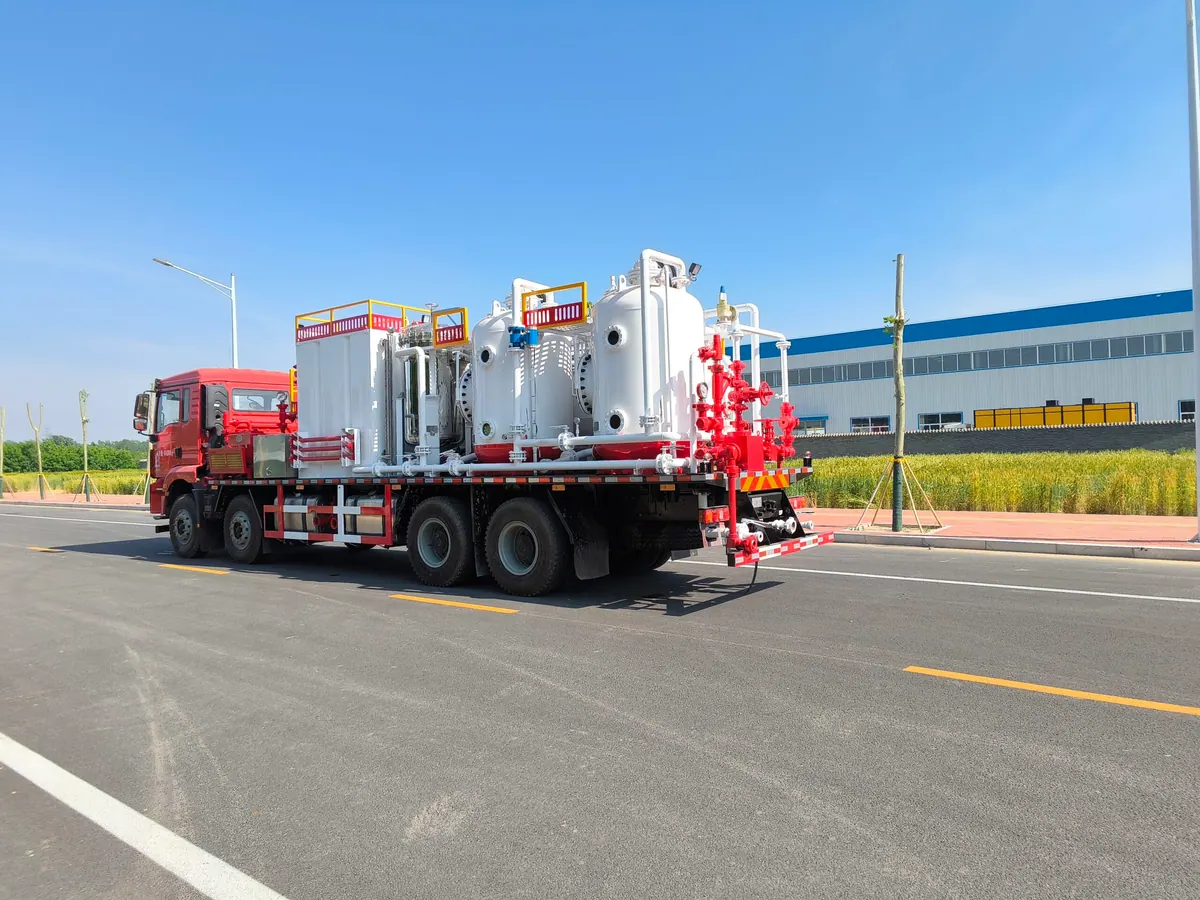
Separate the stages of the proposed assignment
Ask the responsible well-service team to describe the relevant cases for the selected method, including variations in fluid, expected solids and working duration. Keep these cases as a procurement basis rather than presenting a generic cleanout sequence. Record the source and uncertainty of each input. A single average condition may conceal the stage that governs pumping, receiving capacity or servicing needs for the complete arrangement.
Identify which equipment sees which fluid
Request a clear boundary drawing for clean-fluid supply, pumping, returns and any proposed recovery arrangement. Do not assume that a pump advertised for sand cleanout directly accepts abrasive returns. Ask the supplier to state the fluid limits of the supplied pump and identify how approved feed quality is maintained. Separating those functions prevents the product name from being interpreted as unrestricted slurry-pumping capability.
Review return handling under changing conditions
Have the responsible suppliers address the relevant flow, solids load, retained material and availability cases for any receiving equipment. A clean-water capacity may not describe performance as material accumulates or requires removal. Identify purchaser-supplied collection and service resources. Keep external responsibilities explicit so the truck proposal does not silently depend on a return system whose practical capacity and operating availability have not been reviewed.
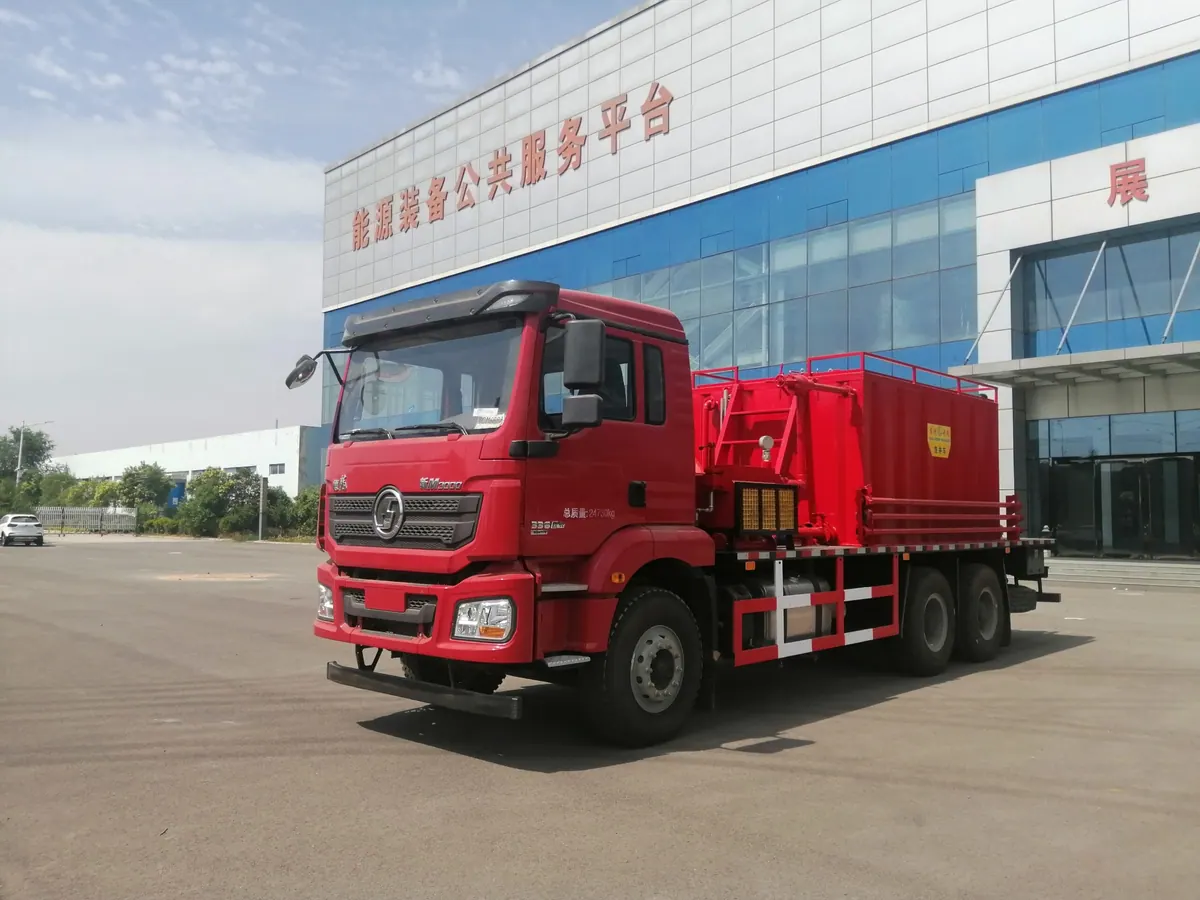
Request a response for each selection case
Ask the bidder to identify the equipment and interfaces governing each case, including any limitation or option needed for the accepted duty. Do not combine several independently favorable conditions into one unsupported package rating. If a proposed adjustment changes pump configuration or return equipment, request revised drawings and verification scope. The comparison should show the supported working range and dependencies rather than simply rank the largest advertised pressure, flow or tank size.
Define the evidence supplied at acceptance
Agree which conditions can be demonstrated at the factory and which require calculation, supplier assessment or later site verification. Record test media, configuration and duration honestly. A clean-water demonstration can support particular equipment functions without proving actual sand-removal performance under every field condition. Keep outcome claims tied to a separate accepted basis and retain the case schedule with the final equipment records.
Use availability as part of the package review
Ask how servicing, retained-material removal and required inspection affect the external equipment on which the campaign depends. Identify whether the quoted arrangement includes parallel equipment, temporary storage or any other support; do not assume those features from a continuous-duty label. Compare the resources necessary for the selected cases and state unconfirmed site contributions clearly. When a bidder proposes another arrangement, require a corresponding case response rather than transferring the original approval automatically. This keeps changing solids conditions connected to practical equipment and supply decisions without prescribing a universal operating sequence or promising uninterrupted cleanout for an undefined feed.
Put these items side by side in the bid review
| Purchase item | Question to resolve | Evidence to request |
|---|---|---|
| Stages | Which cases govern different items? | Reviewed duty schedule |
| Fluid exposure | What reaches the pumping equipment? | Feed and return boundary drawing |
| Evidence | Which cases were verified? | Configuration-specific records |
Suggested wording for the quotation request
Respond to each attached sand-cleanout duty case for the proposed unit and supporting arrangement. Identify supplied equipment, permitted pump-feed conditions, return dependencies and limitations. Separate clean-water verification from field solids-performance evidence. State servicing resources, required options and missing inputs, and revise the equipment and acceptance scope for any alternative configuration proposed.
Evaluate the complete sand-flushing arrangement against the approved cleanout duty. Confirm the pump and drive operating case, clean-fluid supply, connection boundaries and separate return-handling responsibilities. A maximum pressure, nominal tank size or reference photograph cannot establish the performance of the complete installed system. Keep the accepted equipment list, fluid assumptions, drawings and verification records with the purchase. Resolve missing well or site information with the responsible supplier and engineering teams. Setup, testing and operation require the approved equipment instructions and wellsite procedures.
For the wider equipment scope, consult the Oilfield Sand Flushing Unit: Configuration Guide. Use the RFQ checklist to collect the supporting documents before requesting a configuration-specific quotation.
Buyer questions
Does sand-cleanout duty mean the pump accepts abrasive return fluid?
No. Confirm the actual pump-feed limits and the separate recovery or return boundary.
Can one nominal operating point establish all campaign duties?
Not when conditions vary materially. Request a response to the relevant reviewed cases and their durations.
Background and supplier contact
SLB circulation terminology background offers related background, not certification of the equipment in a quotation. Applicability must be checked for the project and destination.
Explore the sand flushing unit, browse all technical resources, or visit Vance Petroleum for company information. Request a sand-flushing proposal with the geometry, solids, circulation duty and return-handling scope.