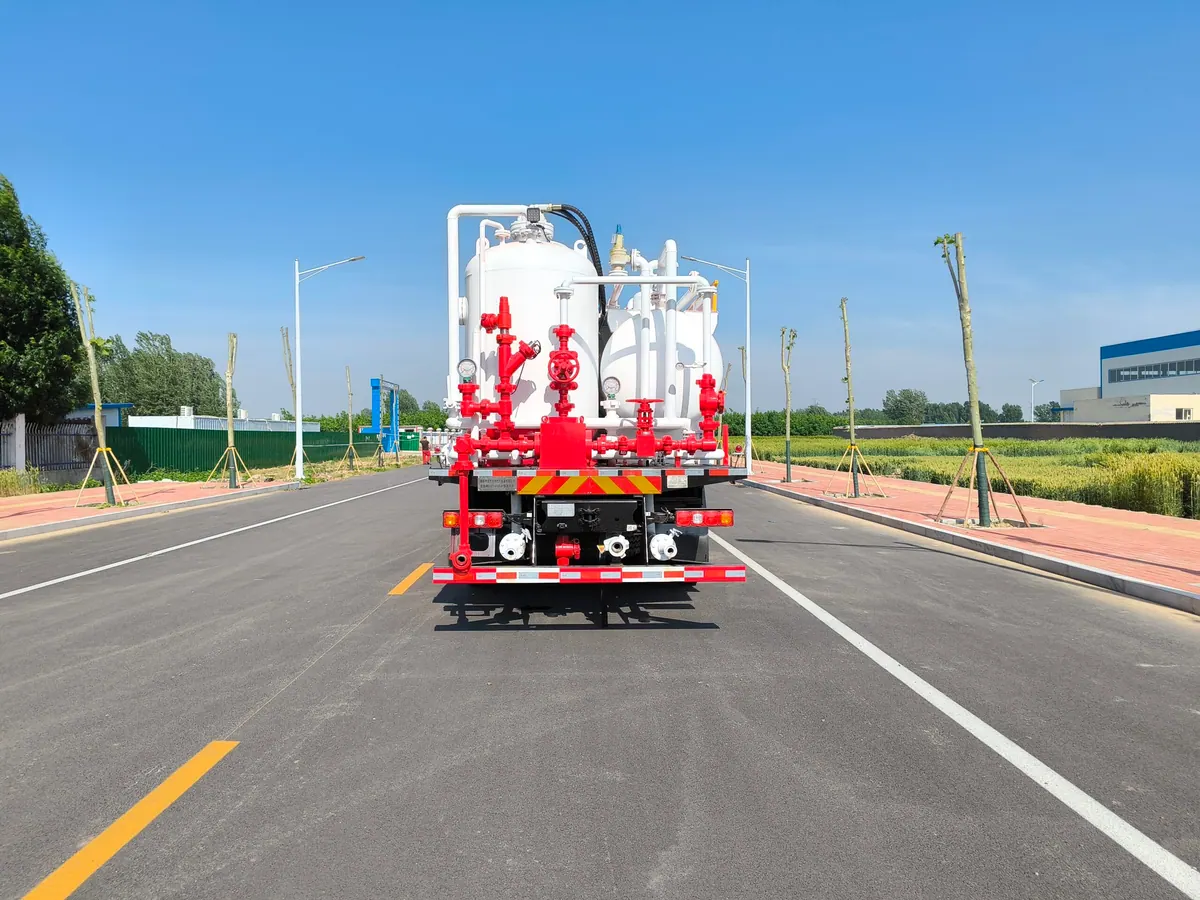
Identify the proposed recovery arrangement
State whether the project intends to reuse any returned liquid and identify the equipment responsible for collection and conditioning. Request a drawing that distinguishes fresh supply, recovered material and the pump-feed boundary. Do not assume a standard flushing truck includes every stage required for recovery. The buyer needs an explicit equipment list and responsibility schedule before evaluating claims about water savings or repeated circulation.
Request the actual pump-feed limits
Ask the supplier to identify the fluid characteristics relevant to its offered pump, seals, valves and other supplied components. State the source and uncertainty of information about recovered liquid. Avoid inventing a universal allowable solids value or treating a clean-water test curve as approval for another medium. The responsible supplier and project team should establish the compatibility basis for the selected configuration and intended working cases.
Separate visible clarity from documented acceptance
A return stream can contain fine material or other constituents that are not established by a visual check. Request an appropriate assessment and evidence basis from the responsible parties for the actual fluid and job. Do not prescribe a generic field test or reuse decision from a purchasing checklist. Keep pump suitability and well-program restrictions as distinct acceptance questions, because liquid acceptable to one boundary may not meet another requirement.
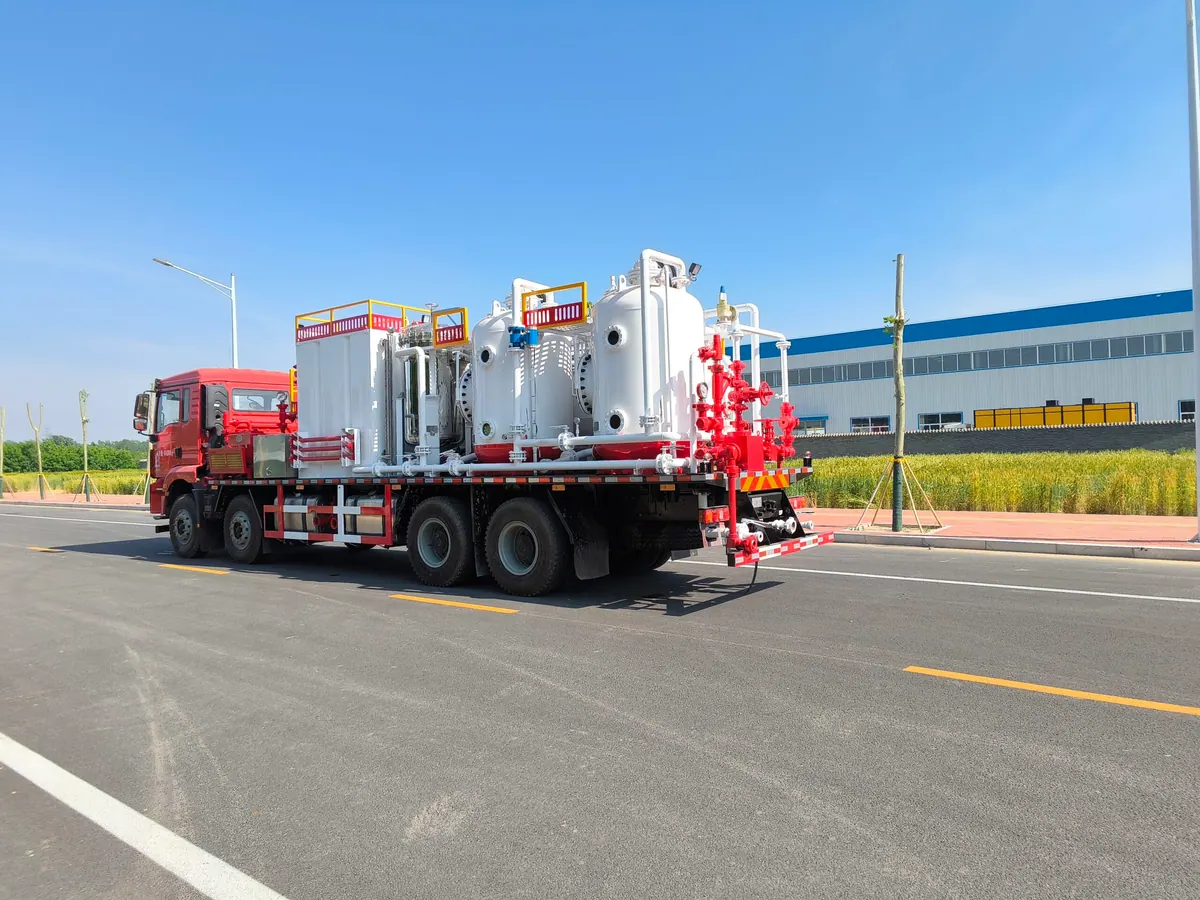
Define the conditioning supplier responsibilities
If a bidder proposes screens, settling, filtration or another recovery stage, ask what feed and output conditions it has assessed. Request limitations and evidence for its stated function. A nominal processing rate does not necessarily establish performance over the full solids loading and service period. Keep cleaning, retained material, storage and purchaser support visible so a quoted recovery package is compared as a complete reviewed arrangement rather than a collection of equipment names.
Agree change review and delivery records
The order should preserve the accepted feed basis, selected components, relevant documentation and verification scope. If actual returns or proposed conditioning change, obtain another compatibility response before treating the original acceptance as sufficient. Distinguish factory demonstrations from confirmation of the actual recovered liquid at site. The purchase should support a defined assessment route without promising that every return stream becomes suitable for repeated pumping after one generic separation stage.
Compare recovery claims using a defined boundary
Ask whether a proposed saving refers to captured liquid, liquid meeting the accepted pump-feed requirements or liquid approved for the well program. These are not automatically the same quantity. Identify the measurement basis and excluded streams before comparing offers. Keep uncertain field data visible in the commercial case instead of assuming complete recovery and unlimited reuse. Retain the supplier fluid limits and agreed assessment responsibilities with the unit records so maintenance and operating teams can recognize when changed feed conditions need a review rather than treating a familiar-looking recovered liquid as an approved substitute for the accepted supply.
Put these items side by side in the bid review
| Purchase item | Question to resolve | Evidence to request |
|---|---|---|
| Feed | Which fluid limits apply to the pump? | Configuration-specific supplier response |
| Recovery | What output is actually supported? | Defined equipment performance basis |
| Acceptance | Who confirms suitability for reuse? | Reviewed assessment responsibility |
Suggested wording for the quotation request
State the pump-feed requirements for the proposed sand flushing unit and assess the attached recovered-fluid information. Identify the supplied recovery or conditioning stages, their supported boundary and required evidence. Separate captured volume from liquid accepted for pumping and well use. Document limitations, assessment responsibilities and the review needed when actual returns or the conditioning arrangement changes.
Evaluate the complete sand-flushing arrangement against the approved cleanout duty. Confirm the pump and drive operating case, clean-fluid supply, connection boundaries and separate return-handling responsibilities. A maximum pressure, nominal tank size or reference photograph cannot establish the performance of the complete installed system. Keep the accepted equipment list, fluid assumptions, drawings and verification records with the purchase. Resolve missing well or site information with the responsible supplier and engineering teams. Setup, testing and operation require the approved equipment instructions and wellsite procedures.
For the wider equipment scope, consult the Oilfield Sand Flushing Unit: Compatibility Guide. Use the RFQ checklist to collect the supporting documents before requesting a configuration-specific quotation.
Buyer questions
Is visually clear return liquid automatically suitable for the pump?
No. Use the relevant supplier limits and a reviewed fluid-assessment basis.
Does a recovery rate establish an equivalent usable-water saving?
Not alone. Define which recovered liquid meets the accepted pump and job requirements.
Background and supplier contact
SLB circulation terminology background offers related background, not certification of the equipment in a quotation. Applicability must be checked for the project and destination.
Explore the sand flushing unit, browse all technical resources, or visit Vance Petroleum for company information. Request a sand-flushing proposal with the geometry, solids, circulation duty and return-handling scope.